
Published October 16, 2026.
.jpg)
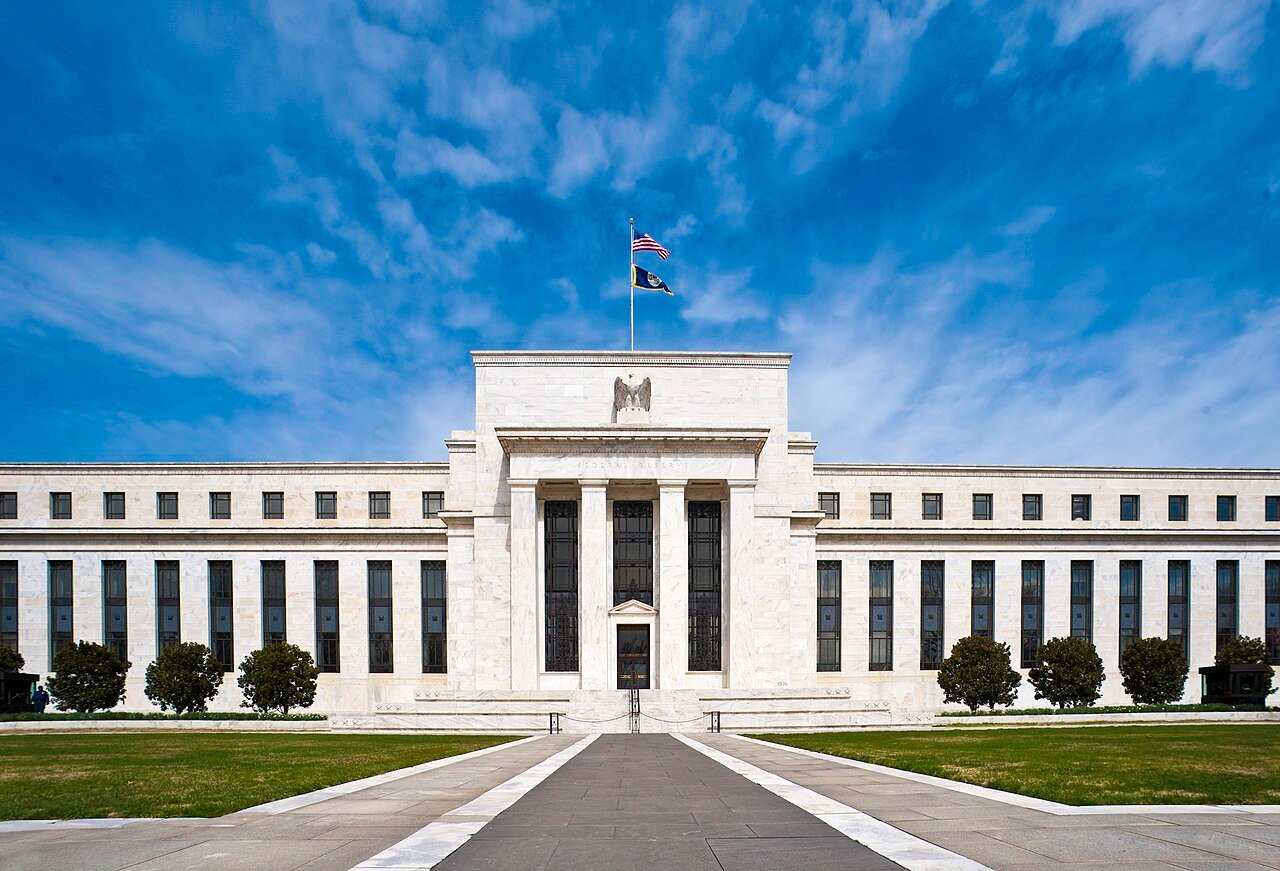
Federal Reserve Chair Kevin Warsh emphasized price stability on October 16 while declining to signal how the central bank would act at its remaining meetings this year, leaving borrowers and businesses without a fresh commitment on interest rates.
Speaking in Bangkok during International Monetary Fund meetings, Warsh avoided prejudging the October and December decisions, according to The Associated Press. The Fed raised rates by a quarter point in September. His remarks did not announce another increase or a cut.
The distinction matters to anyone comparing a loan offer, carrying a variable-rate balance or weighing the cost of financing a business purchase. A chair’s speech can describe priorities without committing the institution to a particular vote.
The Federal Reserve’s explanation of monetary policy says its main interest-rate tool affects broader financial conditions, including the availability and cost of credit. Its policy rate concerns overnight borrowing between banks; changes influence other rates rather than serving as a universal price applied directly to every household loan.
The Fed describes a chain of effects. Lower borrowing costs can encourage purchases and business investment, increasing demand and supporting employment. Stronger demand can also put upward pressure on prices. The relationship works through the economy over time, and the central bank cautions that its effects are neither direct nor immediate.
That means a policy announcement and a consumer’s actual financing offer are related but different pieces of information. The rate quoted in a speech is not a substitute for the terms on a specific loan. Nor does a forecast about a future meeting mean that the forecast has become policy.
For now, the clearest news is the absence of a new commitment. Warsh’s emphasis on inflation identifies a priority; it does not resolve the next decision. Households watching borrowing costs will need to distinguish what the Fed has already done from what officials, investors or commentators think it may do next.
Future policy decisions and the economic information accompanying them will provide more concrete evidence than predictions alone.