
Onyx Bugett | TalkLife News
November 11, 2026 · Public health · Developing
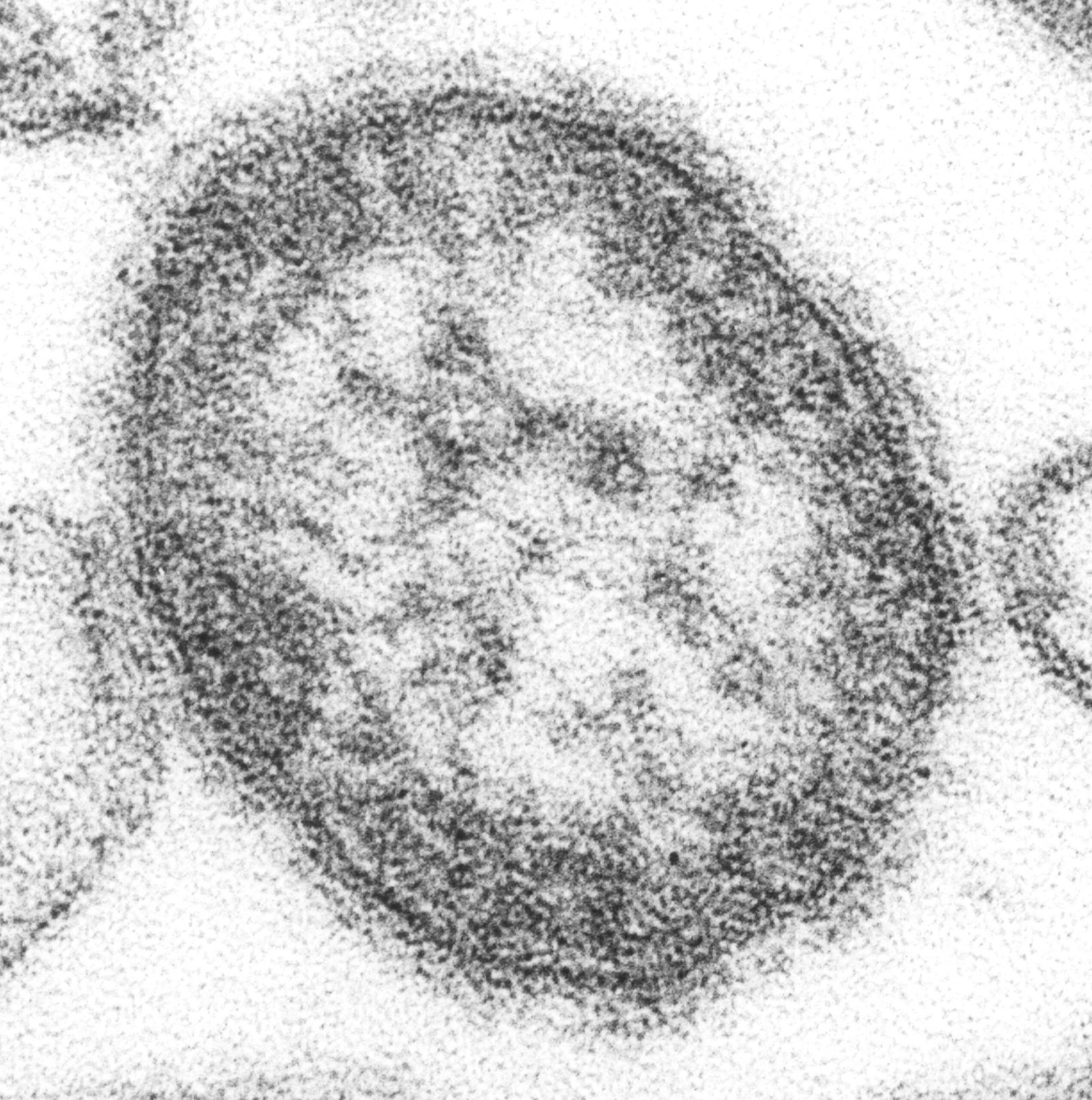

The United States’ measles-elimination status is under review this week, placing renewed attention on outbreaks that have infected thousands of people and on the vaccination coverage needed to interrupt transmission.
Reuters reported November 11 that outside experts are assessing whether the country should lose the status it has held since 2000. A determination is expected to be announced early next week. That is an expected timetable, not a completed decision.
What the review examines
The Pan American Health Organization’s October 14 meeting notice scheduled the regional commission’s annual review for November 10–13. The independent technical body includes specialists in epidemiology, public health, virology, pediatrics and immunization.
A March 2 PAHO notice had identified the United States and Mexico for particular attention, alongside countries with active outbreaks or a year of sustained transmission. Reviewing status does not itself establish the outcome.
The count has a specific cutoff
The CDC’s November 6 update lists 5,182 confirmed U.S. measles cases during 2026 as of November 5. That compares with 2,289 confirmed cases for all of 2025. Ninety-six percent of this year’s reported cases were associated with outbreaks.
The figures are not a live count for November 11. CDC notes that state and local jurisdictions have more current information and that its national page includes confirmed cases reported to the agency.
Why prevention matters before a status decision
CDC describes measles as highly contagious and capable of causing serious complications, including pneumonia and inflammation of the brain. People can become infected from shared air even after an infected person has left a room.
The agency says two doses of measles, mumps and rubella vaccine are about 97% effective at preventing measles. Anyone uncertain about protection should discuss vaccination records and eligibility with a healthcare professional rather than assuming a national designation establishes personal immunity.
For possible exposure or symptoms, CDC advises contacting a healthcare provider immediately and calling ahead before arriving for evaluation, so arrangements can reduce exposure to others. Rapidly worsening illness or emergency warning signs require immediate emergency care.
The review concerns a country’s record of controlling transmission. For families, the immediate priorities remain checking protection, following local exposure notices and getting timely medical guidance. Those steps do not depend on the eventual wording of the commission’s decision.