
Onyx Bugett | TalkLife News
November 21, 2026
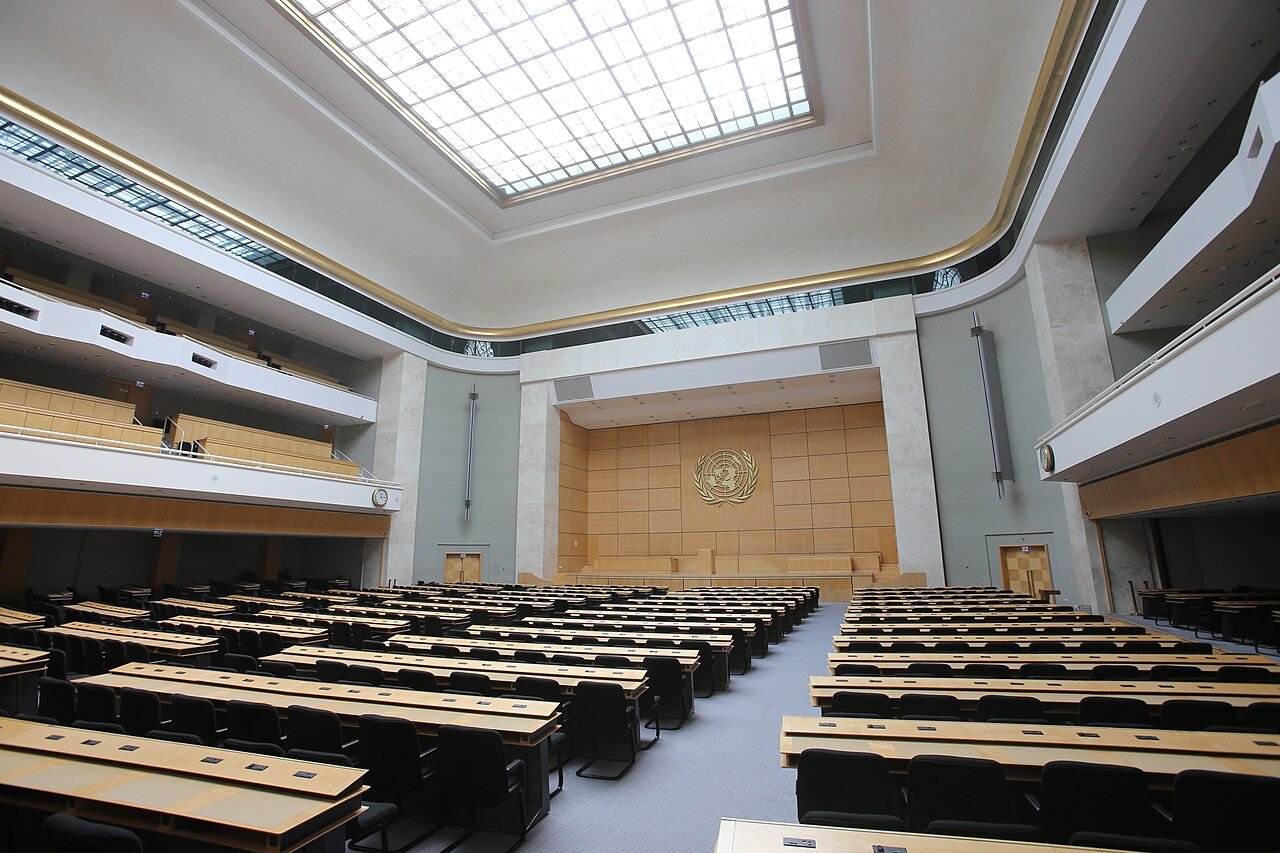

GENEVA — Countries meeting under a United Nations weapons convention agreed to continue work on autonomous-weapons rules toward 2028, but did not adopt the legally binding restrictions sought by supporters of a treaty.
Reuters reported November 21 that talks ran into Saturday and left open whether future measures would be binding. It reported opposition to stronger rules from the United States, Russia and Israel.
The Associated Press account likewise describes an agreement to develop a possible instrument over two more years. It notes that the Convention on Certain Conventional Weapons has 128 parties and operates by consensus, allowing a single state to block agreement.
The International Committee of the Red Cross’s response says the conference failed to establish a clear, immediate negotiating mandate for a binding instrument. The organization renewed its call for prohibitions on unpredictable autonomous weapons and systems designed or used to target humans directly, alongside restrictions on other autonomous systems.
That is the ICRC’s humanitarian and legal-policy position, not a description of a ban that states have now enacted. Its central concern is preserving human control over decisions involving lethal force.
Understanding the technology also requires a distinction. The ICRC’s explanatory guide defines autonomous weapons by their ability, once activated, to select and apply force to targets without further human intervention. The issue is autonomy in targeting and the use of force, rather than whether a machine can move or fly on its own.
An armed drone controlled by a person who identifies the target and decides when to fire is therefore different from a system that independently selects and attacks a target. Calling every drone an autonomous weapon would blur the question negotiators are trying to address.
The same guide explains that existing international humanitarian law applies to autonomous weapons as it does to other weapons. The debate over additional restrictions does not mean existing requirements protecting civilians disappear while diplomacy continues.
For readers following claims about AI and warfare, Saturday’s outcome should be described precisely: further work has been agreed, while the scope and binding character of future rules remain unresolved. A negotiation timetable is neither proof of a worldwide prohibition nor a guarantee that a treaty will be completed.