
Onyx Bugett | TalkLife News
November 10, 2026 · Morning news · Developing
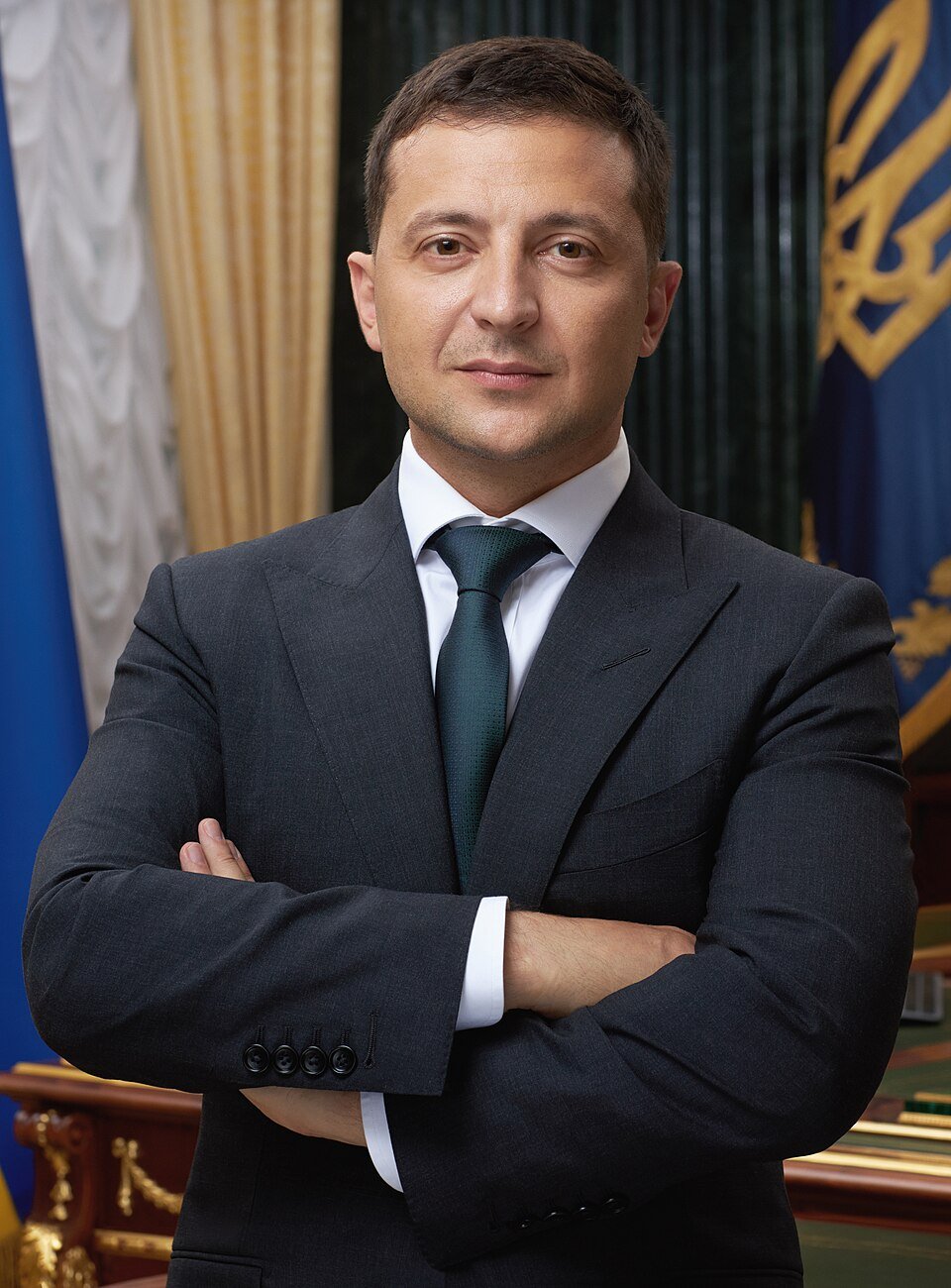

ABU DHABI — Russian and Ukrainian officials resumed U.S.-brokered negotiations Tuesday, November 10, bringing a long-interrupted diplomatic process back to the table while fundamental disagreements over security and territory remained unresolved.
Reuters reported November 10 that the meeting was the first such round since February. U.S. envoy Jared Kushner said recent contacts had narrowed differences. That assessment describes the American delegation’s view of the discussions; it does not establish that the parties have accepted a settlement.
Security is at the center of the disagreement
ABC News’ November 10 reporting identifies Rustem Umerov as the leader of Ukraine’s delegation and Kremlin aide Vladimir Medinsky as Russia’s lead representative. Steve Witkoff and Kushner are leading the U.S. effort.
Ukraine’s stated priorities include ending hostilities, obtaining dependable postwar security guarantees, economic recovery and humanitarian measures. Moscow has demanded Ukrainian withdrawal from four contested regions it claims to have annexed, restrictions on Ukraine’s military and a permanent bar on NATO membership, ABC reported.
President Volodymyr Zelenskyy has rejected surrendering territory not held by Russian forces and insists on guarantees against another attack. These are negotiating positions, not jointly agreed terms.
Humanitarian progress would have its own value
In its November 10 preview, DW reported that Zelenskyy’s agenda also includes an energy ceasefire, access through the Black Sea, further prisoner exchanges and preparations for a leaders’ meeting. The round was scheduled for Tuesday and Wednesday.
Ukrainian delegate Davyd Arakhamia told DW he did not expect a rapid breakthrough after the long pause. His caution is a forecast, rather than proof that the meeting cannot produce results.
That leaves room to distinguish a comprehensive peace settlement from narrower steps. A prisoner exchange or an arrangement allowing civilian aid can matter to families even when the central territorial dispute persists. Neither should be reported as ending the wider war.
What remains to be established
The confirmed development is the resumption of negotiations. A durable agreement would require more than optimistic opening remarks: readers should look for jointly accepted terms, a clear scope and evidence of implementation.
For civilians living with disrupted services, displacement and uncertainty, the practical question is whether diplomacy changes conditions outside the meeting room. This remains a developing story; no comprehensive settlement was announced in the reporting reviewed for this morning’s publication.