
Onyx Bugett | TalkLife News
October 13, 2026 — Midday edition
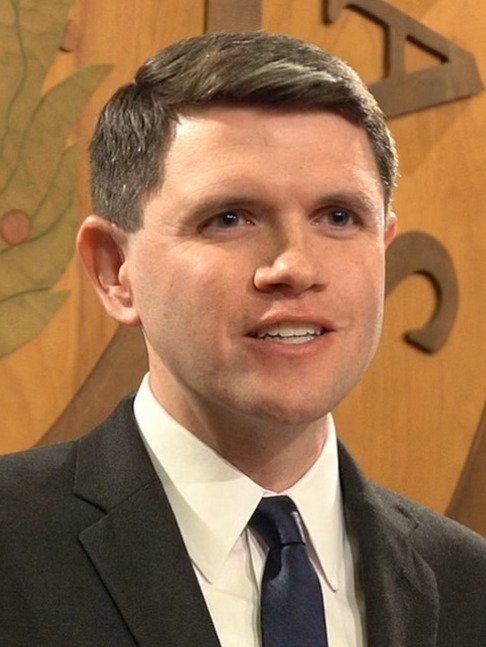
Archival photograph: James Talarico at the Texas Capitol, January 13, 2025. Photographer: Antonioaesparza; centered crop uploaded by Alpony34. No additional edits. Image source and rights · CC BY-SA 4.0
.jpg)
A viral claim about Democratic Texas Senate candidate James Talarico presents an audio clip as proof of a hospital stay. The available evidence contradicts that claim: the named institution denied treating him, and his documented public appearances do not match the alleged timeline.
In its October 12 review, The Associated Press found the allegation that Talarico was treated at an Ohio mental-health facility to be false. Talarico and his campaign attributed his nine-day absence from public campaigning to influenza. The Lindner Center of Hope said he had never received treatment there. Those are specific, attributable statements; an absence from campaigning cannot by itself establish a different medical explanation.
PolitiFact’s separate examination traced the allegation to calls that influencer Rhein Amacher said he made on October 10. A clip circulated as evidence that Talarico had been discharged that evening. But the candidate appeared at the Austin City Limits festival on October 9 and at a Kacey Musgraves concert in Dallas on October 10. Those appearances conflict with the story built around the recording.
PolitiFact also reported that a private aircraft’s travel information had been circulated without evidence connecting Talarico to the plane. A real flight record does not establish who was on board. Combining a genuine data point with an unsupported identification can make speculation look like a verified investigation.
The fact-checkers reached the same central conclusion through the facility’s statement and the timeline. The hospital allegation is false. That conclusion does not require publishing private medical information or diagnosing a candidate from public behavior.
There is also an important boundary around the audio itself. Rejecting the claim it was used to support does not establish a specific production method. Without further evidence, it should not be labeled an AI-generated recording, nor should the voice automatically be treated as an authenticated institutional statement.
The lesson for readers is practical: identify the exact claim, check the dates and seek the original institution’s response before sharing. A confident caption can outrun the evidence attached to it. In election coverage, correcting a false medical allegation should also avoid presenting legitimate psychiatric treatment as a character flaw. The evidence should settle the factual question, rather than turn health care into a political insult.