
Onyx Bugett | TalkLife News
October 13, 2026 — Midday edition
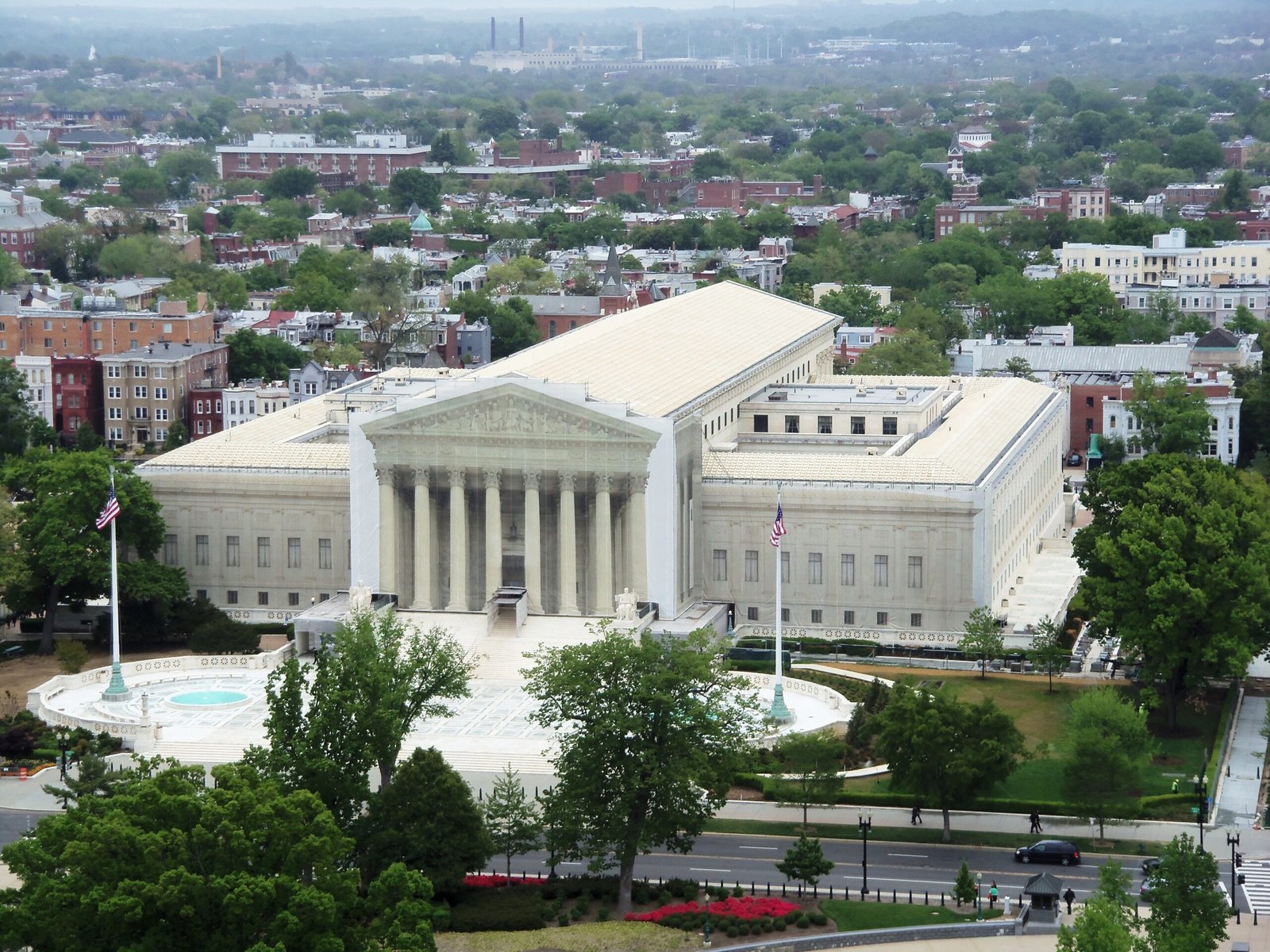
Archival photograph: U.S. Supreme Court Building, May 6, 2013, during facade renovation. Creator: Farragutful. Resized for display. Image source and rights · CC BY-SA 3.0

The Supreme Court agreed October 13 to hear the Trump administration’s appeal in a dispute over access to Department of Government Efficiency records. Reuters reports that the case concerns requests by Citizens for Responsibility and Ethics in Washington, or CREW, under the Freedom of Information Act. A ruling is expected by the end of June 2027.
The decision puts a basic question before the justices: when a presidential initiative helps reshape government, does it operate as an agency whose records the public can request, or as an advisory body entitled to a different degree of confidentiality?
The Associated Press describes the competing positions. CREW says DOGE exercised substantial independent authority and is covered by FOIA. The administration says it was a presidential advisory body and that the lower-court discovery orders intrude on separation-of-powers protections. A district judge ordered expedited processing of records requests, and an appeals panel sided with CREW. In 2025, the Supreme Court had already narrowed an earlier disclosure order.
Accepting the appeal is a procedural development. It does not settle the legal status of DOGE, validate all of its decisions or establish that every requested document must be released.
The government’s FOIA guidance explains why the classification matters. The law provides access to federal agency records, with exemptions protecting interests including privacy, national security and law enforcement. A request seeks existing records; an agency is not required to create new documents or answer a requester’s questions as an interview subject would.
Coverage by FOIA therefore does not mean automatic disclosure of everything. An agency may release a document with protected sections redacted, and a denial must identify the applicable basis. Whether an entity falls within the law is a separate issue from whether particular information is exempt.
For the public, the dispute concerns the ability to examine the paper trail behind government action. Records can help test how a decision was made, which officials participated and what supporting material existed. The court’s eventual reasoning will be more informative than describing today’s announcement as a final victory for either side. The merits remain unresolved.