
Published October 19, 2026. This report distinguishes the declined appeal from any future trial or verdict.
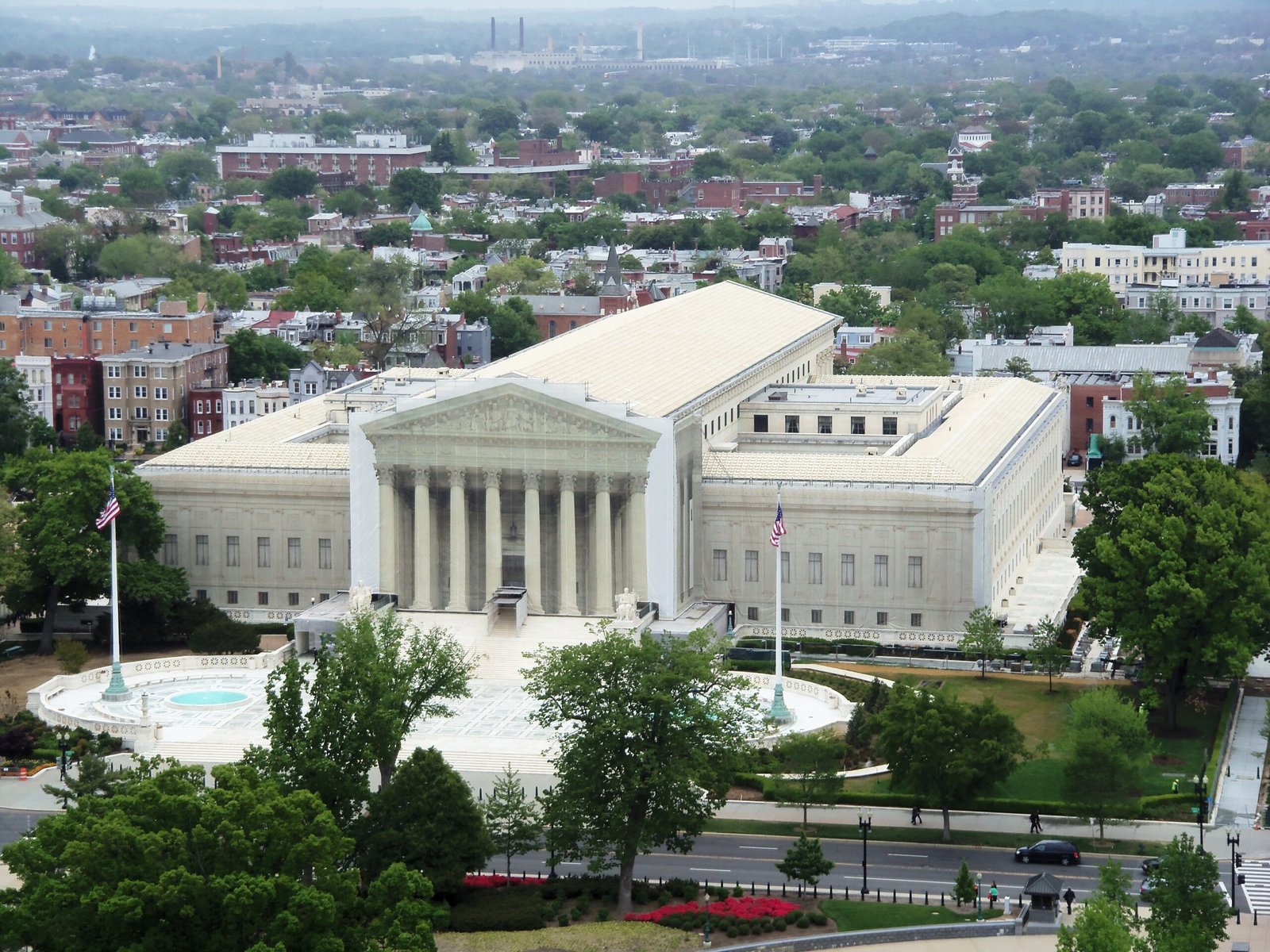

The Supreme Court declined October 19 to hear an appeal seeking to restore plea agreements for Khalid Sheikh Mohammed and two co-defendants in the September 11 prosecution.
The agreements would have avoided the death penalty in exchange for guilty pleas. Former Defense Secretary Lloyd Austin revoked them, and an appeals court upheld that action. The justices’ refusal to take the case leaves that ruling in place, Reuters reported. The decision is not a conviction or a new finding that the defendants are guilty. A military judge has scheduled trial for June 2028.
What declining review means
The federal judiciary’s explanation of appeals describes a distinction that is useful here: asking the Supreme Court to review a case does not mean the justices must agree to hear it. A petition seeks permission for that next stage.
The judiciary says the court typically chooses cases involving an unusually important legal principle or conflicting interpretations among appellate courts. Many appellate decisions remain the final word without receiving Supreme Court review.
That general explanation is not an account of the justices’ private reasoning in this particular matter. It explains why a declined petition should not be recast as a full opinion answering every question the parties raised.
For readers, three stages should remain separate: the argument over whether the plea agreements could be withdrawn, the decision whether to hear an appeal about that dispute, and the eventual resolution of the criminal charges. Movement at one stage does not collapse the others into a completed case.
The distinction can sound procedural, but it changes the meaning of the news. A headline announcing that an appeal was rejected describes something narrower than a headline announcing a verdict. The first can leave major proceedings still ahead.
The next substantive developments will come from the prosecution and any further court action. Until then, the accurate account is that the bid to revive the agreements through this appeal has failed—not that the underlying case has finally reached judgment.