
Onyx Bugett | TalkLife News
November 7, 2026 · Midday report
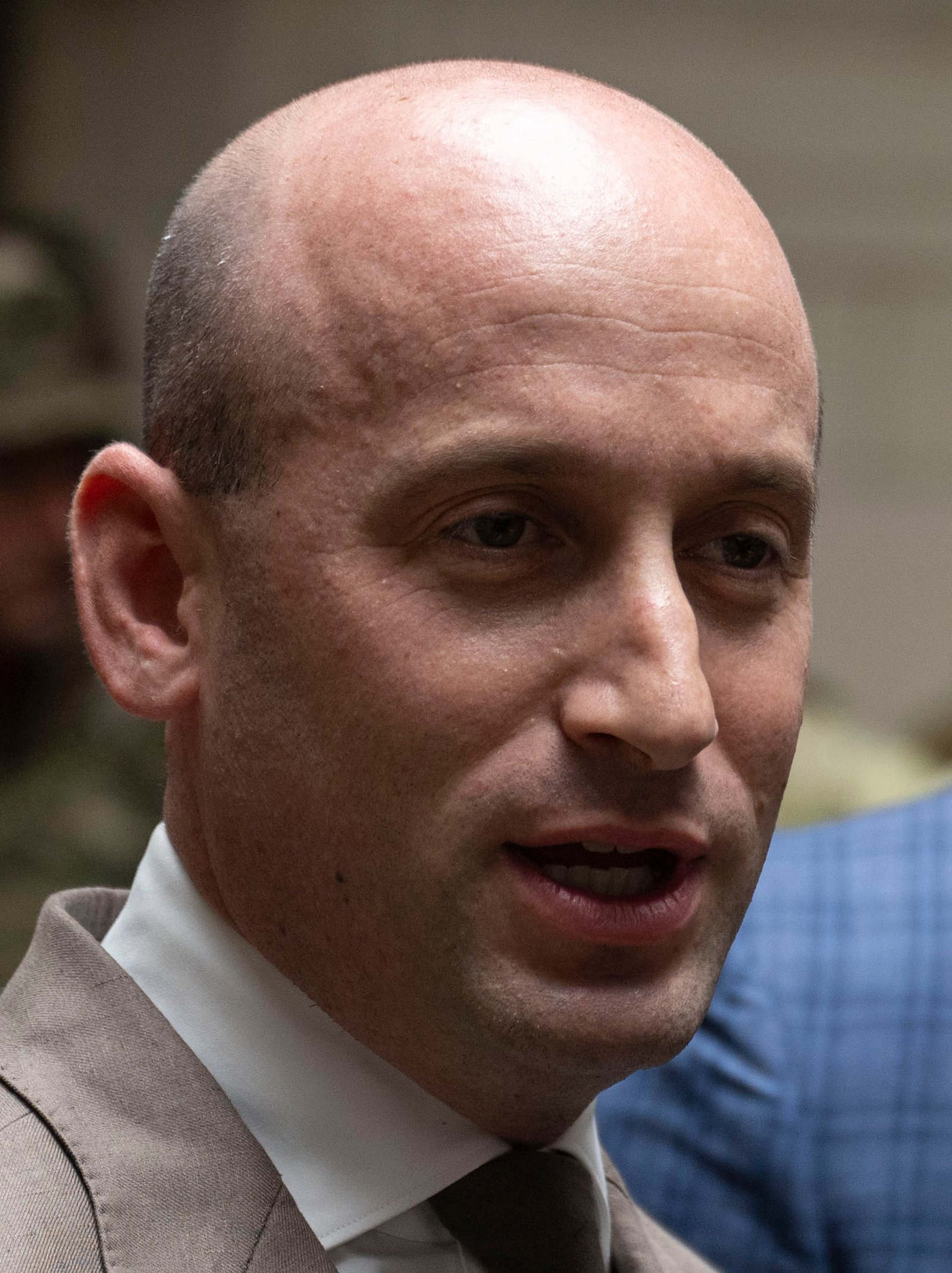

WASHINGTON — President Donald Trump has named Stephen Miller to replace Susie Wiles as White House chief of staff, announcing a change at the center of his administration as it prepares for a Democratic-controlled Congress.
The White House confirmed the appointment November 6. Reuters reports that Trump said it would take effect Monday, November 9, and that Wiles would move to his political operation.
A longtime policy adviser moves into a broader role
Miller is already part of the president’s senior team. The November 13, 2024, transition announcement, preserved by the American Presidency Project, named him assistant to the president, deputy chief of staff for policy and homeland security adviser. It also noted his earlier service as a senior adviser for policy in Trump’s first administration.
The latest appointment therefore changes Miller’s responsibilities within an administration he already helps shape. It is not his first entry into the White House.
The Associated Press’s account describes Miller as a central architect of Trump’s restrictive immigration agenda and reports that Democrats have identified him as a potential subject of congressional investigations. Trump denied that the staffing change was a response to the election. The timing is documented; competing explanations of its political meaning remain interpretations.
Why the chief of staff matters
The chief of staff oversees the Executive Office of the President, which includes the immediate presidential staff and supporting offices, according to the White House’s institutional guide. The job sits where advice, scheduling, communications and coordination meet.
That position can influence how an administration translates its priorities into daily work. It does not, by itself, create a new law or announce a new enforcement policy. A personnel decision and a policy decision are separate events.
The same government guide describes the executive branch’s responsibility for implementing laws passed by Congress and the president’s authority to issue orders directing executive officers. Those different routes matter as the White House considers how to pursue its agenda.
For readers following immigration, federal employment or other domestic policy, the next concrete developments will be the administration’s actual directives, agency actions and congressional responses. The confirmed change now is who will lead the White House staff beginning Monday.