
By Onyx Bugett | TalkLife News
October 5, 2026 | Morning edition
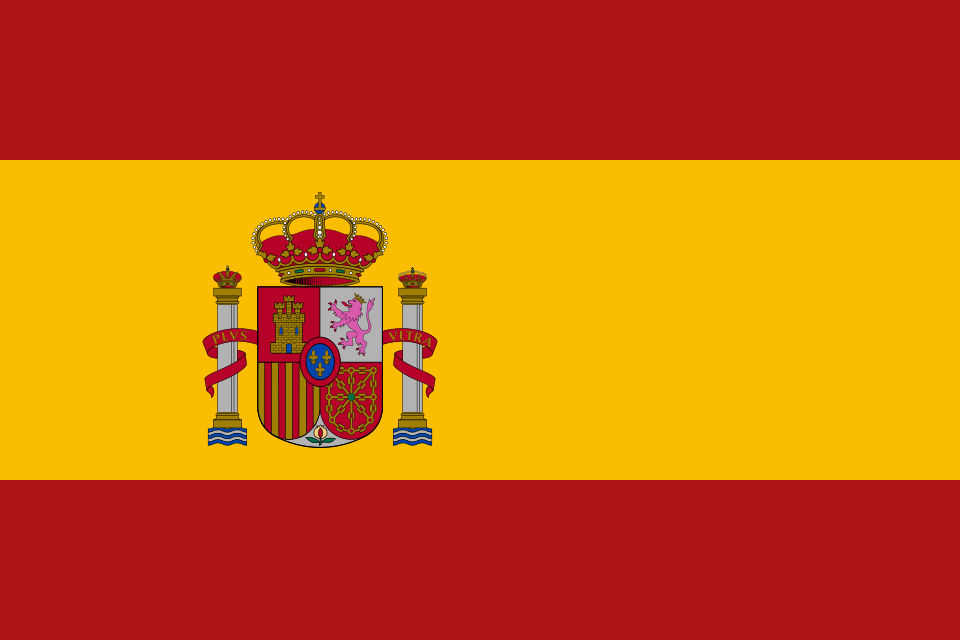

Spanish Prime Minister Pedro Sánchez announced Monday, October 5, that the country will hold an early election on November 29. The decision follows parliament’s rejection of key government housing measures and widespread protests.
Sánchez is seeking a renewed mandate after legislative setbacks exposed the limitations of his parliamentary support. Reuters reported that his Socialist Party trails in nearly every opinion poll, making the decision a political gamble rather than an assured path to a stronger government.
The housing dispute gives the election an immediate connection to household life. Measures intended to address affordability have become part of a larger question: whether a fragmented parliament can produce changes that voters can see in their daily lives.
The confirmed development is the election announcement. Polls describe preferences at a particular moment; they do not establish the eventual winner or the coalition that might govern afterward.
The Financial Times reported that a defeat for Sánchez could open a path to a coalition of conservatives and right-wing populists. That is a possible outcome, not an agreement already reached or a result already decided.
As campaigning begins, the useful focus will be on what parties propose for housing and other public priorities, how those proposals would work and what parliamentary support they would require. The election date provides a timetable; the policy choices and final result remain ahead.