By Alex Bouget | TalkLife News
October 3, 2026
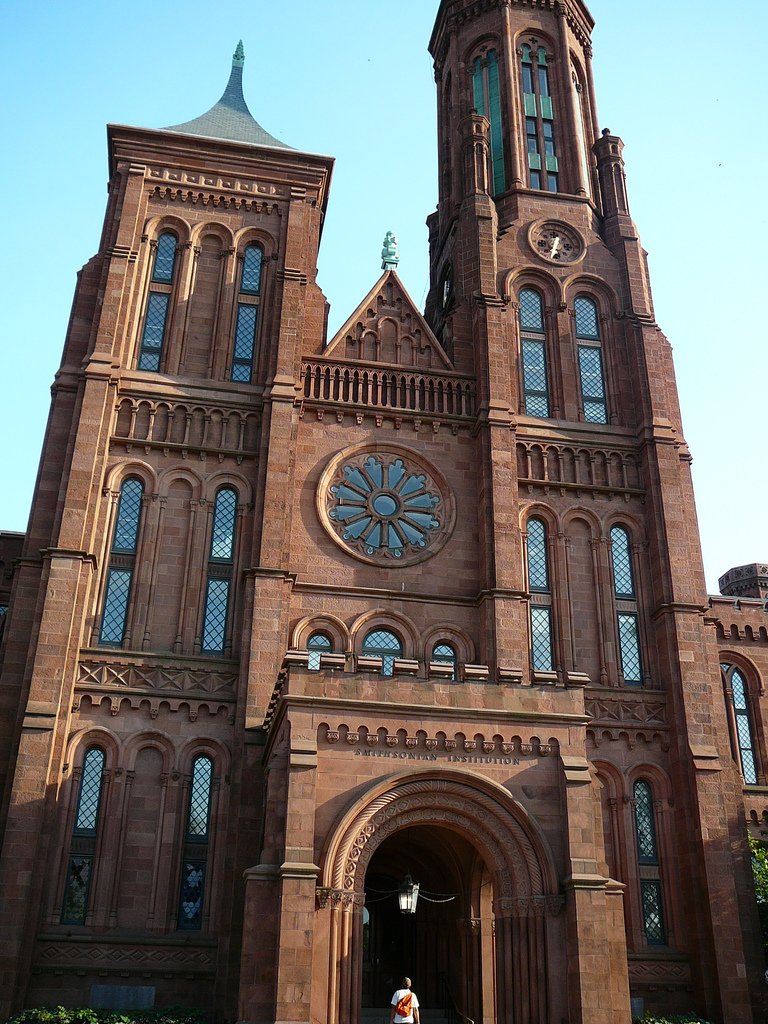

A museum object can preserve one part of a life. A letter, newspaper advertisement or military record may preserve another. A Smithsonian project is using artificial intelligence to help researchers find where those fragments meet.
Revolution Crossroads brings together material from the Smithsonian and the Library of Congress associated with the period from 1770 to 1810. Its goal is to identify connections among people, documents and artifacts that have long been separated across collections.
New reporting published October 3 describes researchers using AI to accelerate searches that previously demanded extensive manual comparison. One example links a historical creamer with a newspaper advertisement, showing how an everyday object can gain context through a separate documentary record.
The institutions’ holdings complement one another: written records help explain the people and transactions surrounding physical objects, while the objects give material form to lives that might otherwise appear only on paper.
The Smithsonian has also made project datasets available for experimentation and research. That approach allows others to examine the material and explore connections beyond a single museum catalog.
The technology does not remove the need for historians. A suggested match is a lead to investigate, not proof that two records describe the same person or event. Human review remains essential to interpreting the evidence.
For the public, the promise is a fuller understanding of early America, including people less visible in familiar accounts. The project’s value will depend on the quality of those connections and the ability to trace them back to original records.