
Onyx Bugett | TalkLife News
October 13, 2026 — Midday edition
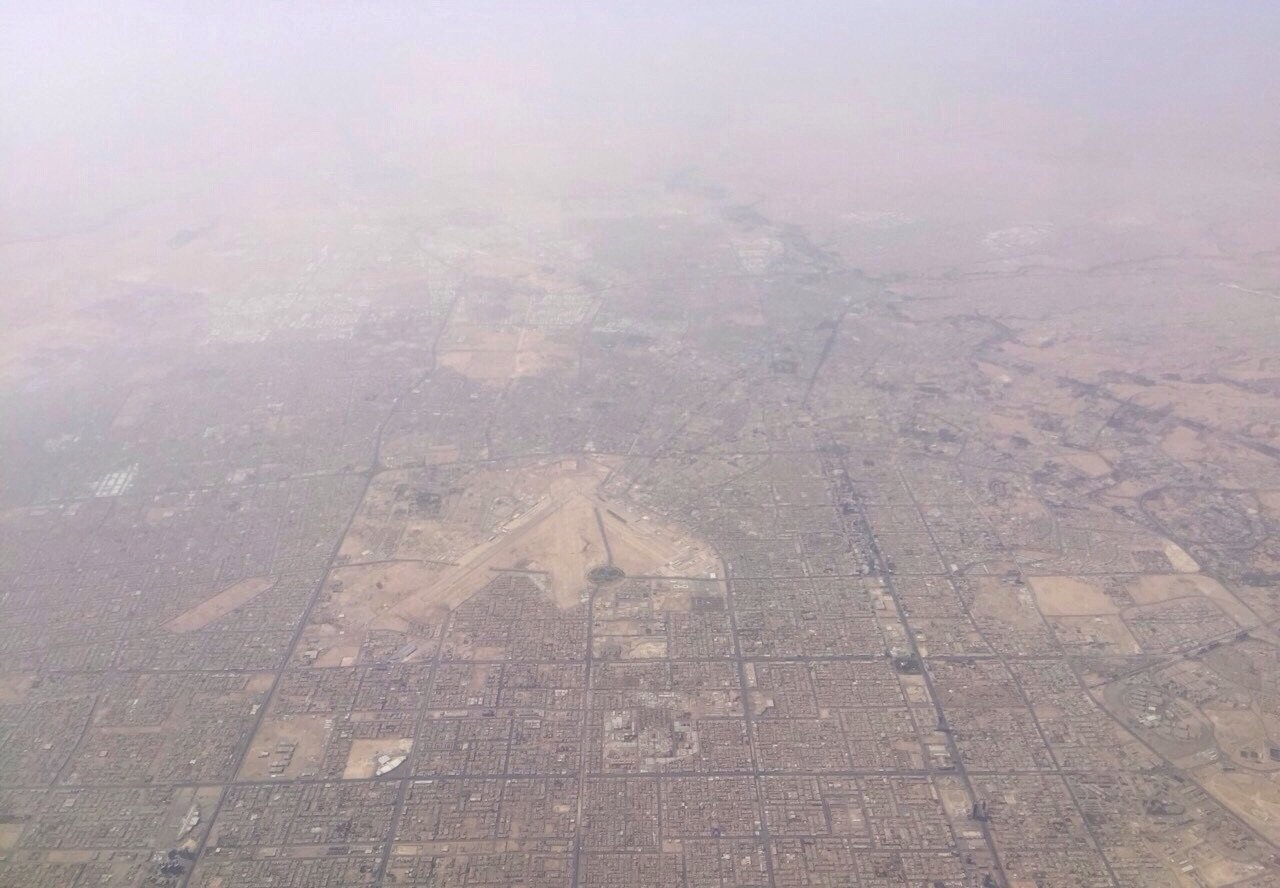
Archival photograph: King Khalid International Airport, June 2015. Creator: Vanquish0. This image does not show the October 2026 attacks. Image source and rights · CC BY-SA 4.0

Developing: Civilians in Yemen and travelers using Saudi airports are confronting the same widening crisis from different directions: warnings to leave an oil facility in Sanaa and suspended flights across the border.
A Saudi-led coalition told civilians on October 13 to evacuate the Yemen Oil Company’s Sabah central station before a military operation, Reuters reported. Houthi military officials threatened retaliation against Riyadh and warned people to avoid Saudi oil facilities. Those statements describe intentions and threats; they do not independently establish what forces subsequently struck.
A subsequent Associated Press report said residents and the Houthi-run Al Masirah broadcaster reported airstrikes in Sanaa after the warning. Witnesses heard explosions, but the facilities hit were not immediately clear. The oil company said its storage facilities were empty, an assertion that remains attributed to the company. Damage and casualty assessments require further verification.
The aviation impact is more definite. Qatar Airways said it temporarily suspended flights to and from Riyadh and Dammam, citing the security situation, according to Reuters’ October 13 report. A suspension is an airline operating decision, not a prediction of when a route will safely reopen.
AP’s regional update also reported that Air India canceled service to Riyadh, Dammam and Jeddah through October 17. Houthi-controlled authorities issued their own warning against Saudi flights; that warning is a statement by a party to the conflict, rather than an independent aviation assessment.
For passengers, the practical questions are immediate: Is the booked flight operating? Will a connection still work? Does the airline offer a refund or alternative route? Travelers should confirm directly with their carrier before heading to an airport and retain booking and cancellation records.
For civilians near the threatened facilities, the stakes extend beyond an itinerary. Any assessment of the conflict must account for people who live and work around infrastructure. The next meaningful developments will be independently verified damage, casualty information and official changes to airport operations. Until those arrive, reported strikes, threatened retaliation and confirmed cancellations should remain distinct in the public record.