
Onyx Bugett | TalkLife News
November 5, 2026 · News update · Developing
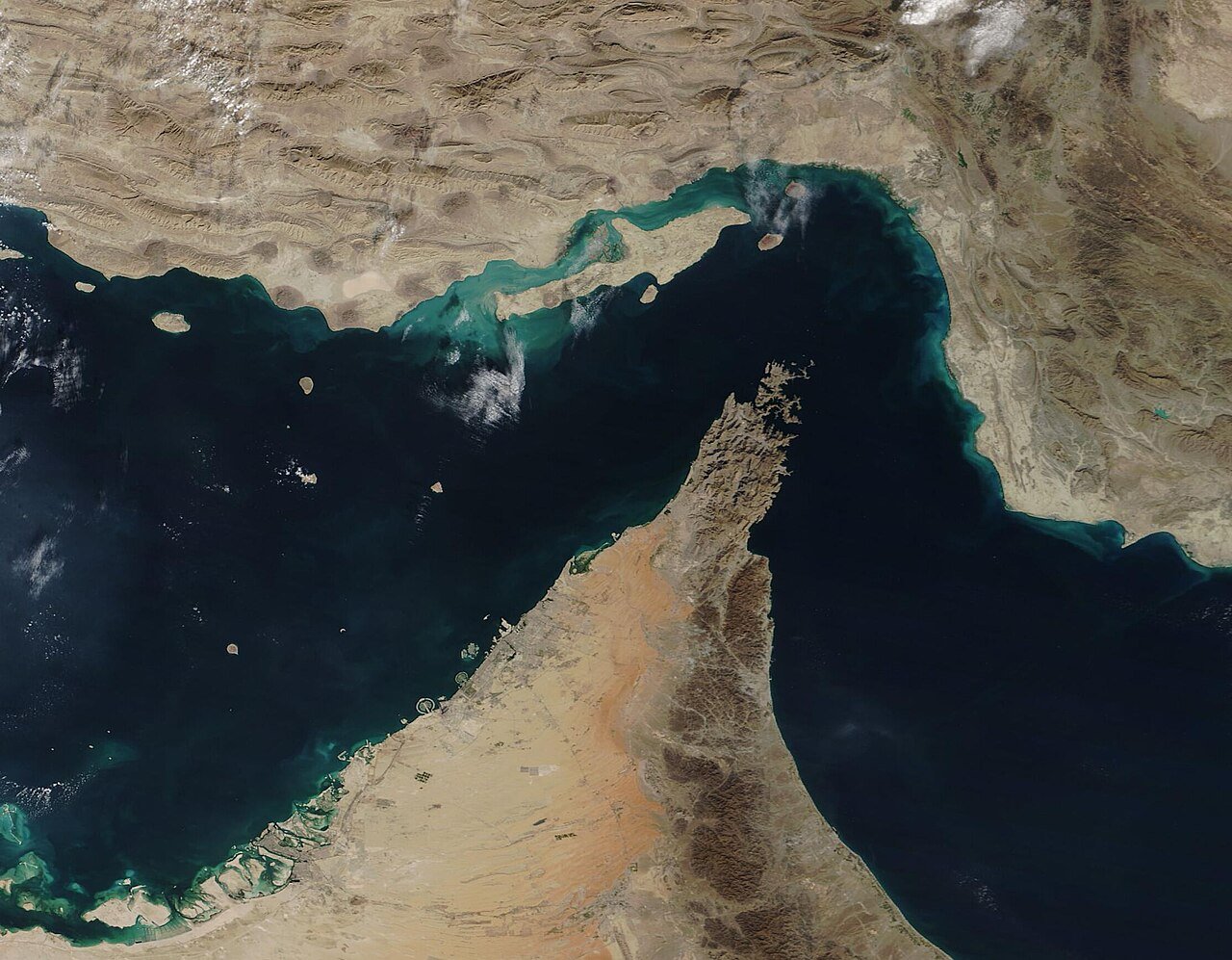

A tanker was struck by two unidentified projectiles north of Qatar late Wednesday, November 4, according to the United Kingdom Maritime Trade Operations agency, adding a new reported incident to the security risks facing commercial shipping in the Persian Gulf.
ABC News’ November 5 reporting placed the incident approximately 50 nautical miles north of Madinat ash Shamal. UKMTO said the crew’s condition, damage assessment and environmental impact were unconfirmed.
A reported strike does not settle responsibility
Reuters reported that UKMTO dated the incident to 23:20 GMT on November 4. The description of unidentified projectiles leaves important questions open, including who launched them and the full consequences for the ship.
Separately, The Associated Press reported Iranian state television’s claims that vessels had struck mines in the Strait of Hormuz. AP described those claims as unverified. They should not be combined with the UKMTO notice as though every detail had been independently established or all reports concerned the same event.
Why the route matters far beyond the Gulf
The International Energy Agency’s February 2026 factsheet describes Hormuz as the narrow passage linking the Persian Gulf with the Gulf of Oman and the Arabian Sea. It estimates that about 20 million barrels a day of crude oil and oil products passed through it in 2025.
Those figures describe a historical baseline, not the volume moving through the strait today. The agency also notes that alternative export routes are limited. Saudi Arabia and the United Arab Emirates have some pipeline options, while several other Gulf producers depend heavily on the waterway.
The U.S. Energy Information Administration’s analysis of transit chokepoints explains the broader mechanism: even temporary disruptions can delay supplies, increase shipping costs and put upward pressure on world energy prices.
For families and businesses, that is the connection between maritime security and fuel or transportation costs. It does not establish a particular increase at a local gasoline pump. The immediate verified development is the reported tanker strike; the crew’s welfare, damage and environmental effects require further confirmation.