
Onyx Bugett | TalkLife News
In remembrance · October 29, 2026
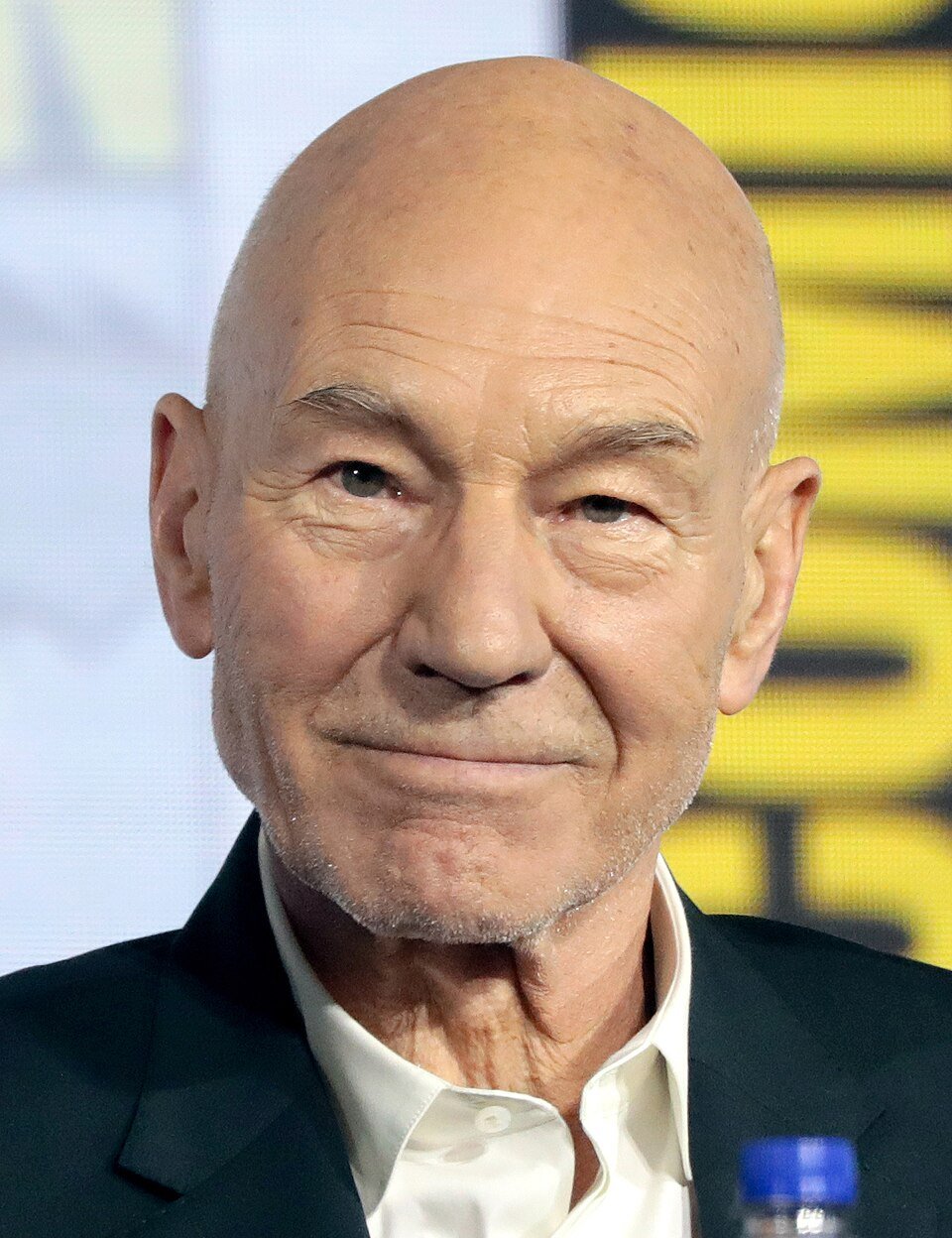

Sir Patrick Stewart, whose voice and presence gave generations of viewers a captain to believe in and a teacher who saw possibility in outsiders, has died at 86.
Reuters reported October 29 that Stewart died October 28 at his Los Angeles home. His family’s announcement said he had experienced Alzheimer’s disease and Lewy body dementia and was cared for by his wife, musician Sunny Ozell.
A voice that made room for thought
Stewart became internationally familiar as Captain Jean-Luc Picard in Star Trek: The Next Generation, then reached another audience as Professor Charles Xavier in the X-Men films. He was knighted in 2010 for services to drama.
For many viewers, the meaning of those performances went beyond a spaceship or a superhero story. Picard offered an image of leadership built around listening, judgment and responsibility. Xavier made the classroom and the promise of belonging central to a world of extraordinary powers. That is part of how these characters can be remembered, rather than a claim that every fan experienced them in the same way.
The stage remained part of the story
The Associated Press’s remembrance emphasizes the theater career behind the screen roles. Stewart performed Shakespeare, developed a one-man A Christmas Carol and shared stages with Ian McKellen in Waiting for Godot and No Man’s Land.
His work also had a Brooklyn connection. People’s October 29 retrospective recalls his Macbeth at the Brooklyn Academy of Music in 2008 and his 2023 memoir, Making It So.
Those different settings belong in the same remembrance. The actor known to someone through a childhood television screen could be known to another person through a theater seat. Neither audience’s connection makes the other less important.
Remembering the person beyond the role
Stewart’s death leaves his family with a loss more intimate than any public tribute can capture. An audience can honor the work while respecting that difference.
At TalkLife Media, we remember an actor who could make a pause feel meaningful and a conversation feel consequential. His performances invite us to consider a kind of strength that does not always need to shout: the strength to pay attention, to question and to recognize someone else’s humanity.
Rest well, Sir Patrick Stewart. The work remains, and so do the conversations it began.