
Onyx Bugett | TalkLife News
October 23, 2026
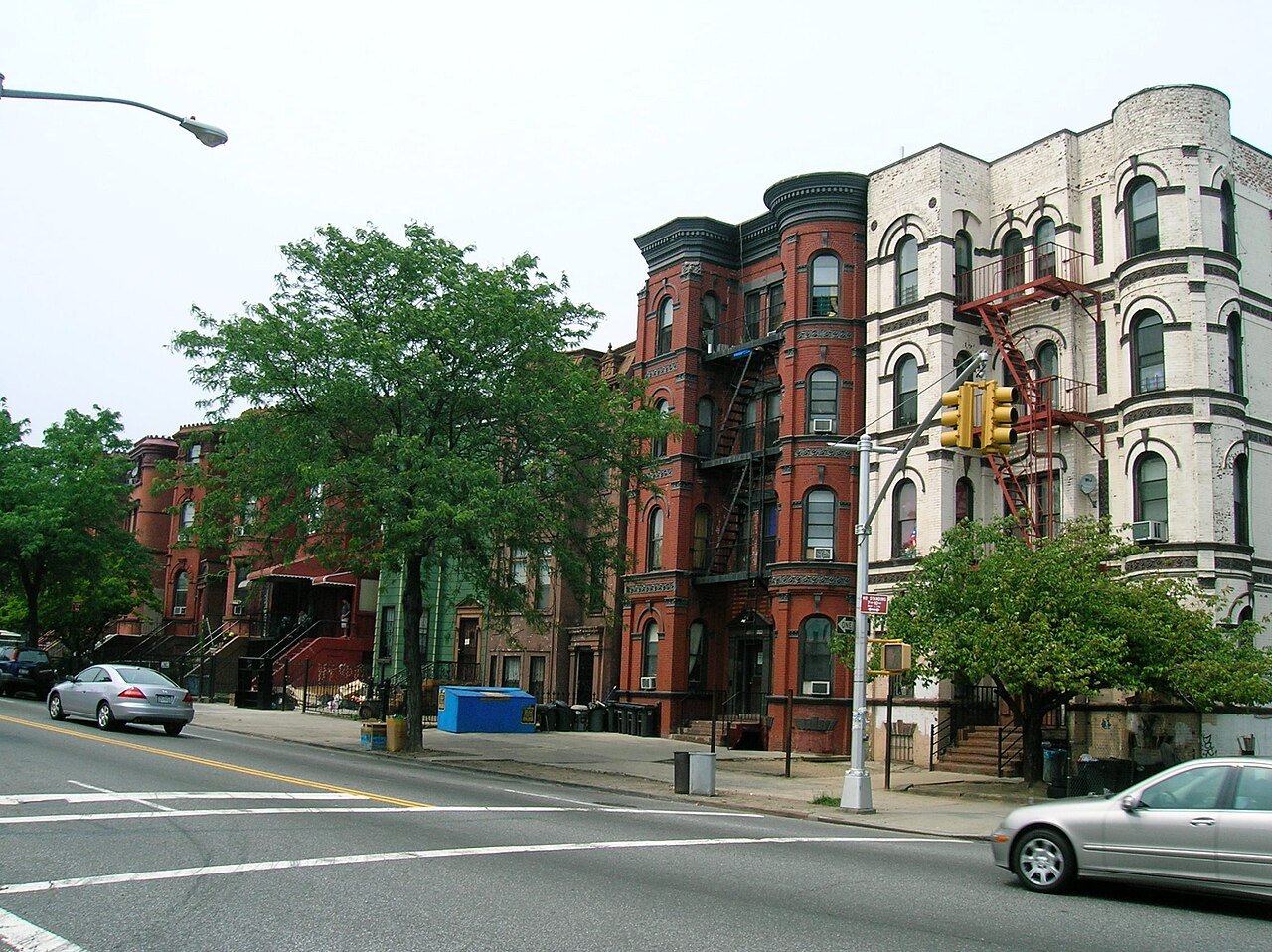

New York City lawmakers have approved a revised proposal giving qualified nonprofit organizations an early opportunity to buy certain residential buildings when their owners choose to sell. For Brooklyn tenants, the immediate development is a Council vote, with implementation still to follow if the measure becomes law.
The Community Opportunity to Purchase Act, known as COPA, passed October 22 by 38 votes to nine, with two abstentions, amNewYork reported. The measure now goes to Mayor Zohran Mamdani, who has pledged to sign it.
A narrower proposal
The revised bill would potentially cover approximately 2,100 buildings, compared with roughly 10,000 under the earlier version, according to the report. It generally targets buildings with at least four apartments that meet specified distress or affordability criteria. It would not apply to every apartment sale in the city.
The Council’s official announcement explains that covered owners would notify the Department of Housing Preservation and Development and certified organizations before selling. Qualified entities would have 20 days to express interest and a further 70-day period to submit a first offer. A right-of-first-refusal process would also allow qualifying organizations to match another buyer’s offer.
Owners could seek exemptions for undue financial hardship. The legislation does not require an owner to put a building on the market.
Preservation goals and financial questions
Brooklyn Council Member Sandy Nurse, the sponsor, argues that nonprofit purchases can preserve affordability and reduce displacement. Landlord groups dispute whether the measure addresses the underlying operating costs that make buildings difficult to maintain. Those are competing assessments of the policy’s likely effects.
Under the approved text as described by amNewYork, COPA would take effect one year after becoming law. Council passage therefore should not be read as an immediate change in a particular tenant’s rent, ownership or lease.
The next questions are whether the mayor signs the measure, how HPD implements it and whether qualified buyers can secure financing. Those steps will determine how the purchase opportunity works in practice.