
Onyx Bugett | TalkLife News
November 4, 2026 · Morning report · Results remain unofficial pending certification
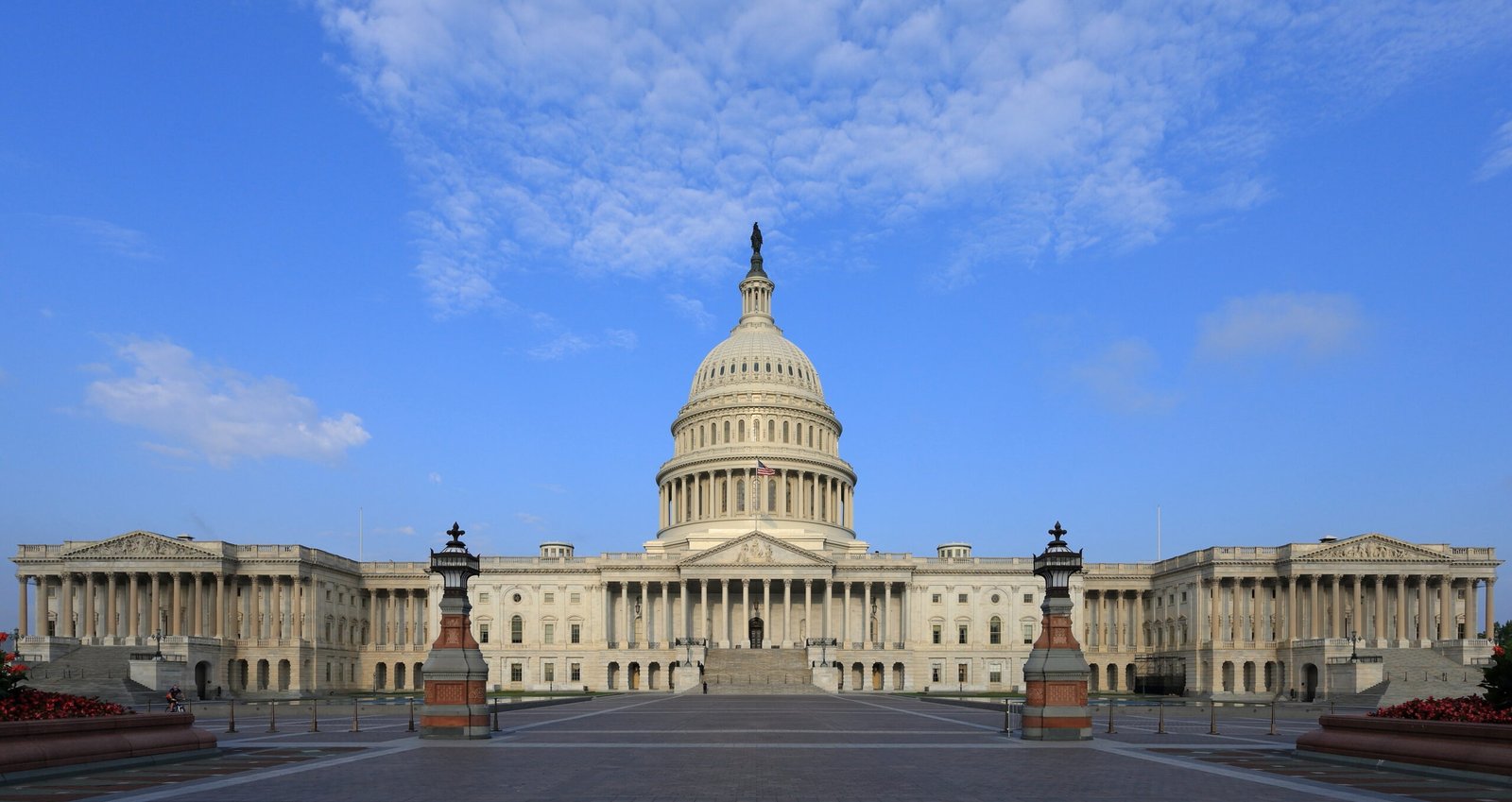

WASHINGTON — Democrats won control of both chambers of Congress in the November 3 midterm elections, according to Reuters’ overnight reporting, setting up divided government during the remaining two years of President Donald Trump’s term.
The congressional shift is the central national development emerging from the overnight count. It changes the expected balance between the White House and lawmakers, while individual race totals and official certifications remain separate from news organizations’ assessments of chamber control.
What voters changed
The Associated Press’s election analysis described Democratic gains across competitive and traditionally Republican territory. Its account linked the party’s success to voter dissatisfaction over living costs and the administration’s performance, while noting continuing divisions between Democratic moderates and progressives. Those explanations are analysis of the electorate, not proof that every voter acted for the same reason.
RTHK’s November 4 report also reported the Democratic takeover and pointed to the party’s defense of Senate seats in Georgia and New Hampshire. It described congressional investigations and resistance to the president’s agenda as likely consequences. Those are expectations about the coming term, not actions already taken by a newly organized Congress.
A majority does not immediately rewrite the law
The Senate’s guidance on a new Congress explains that the Constitution ordinarily provides for Congress to convene at noon on January 3 in odd-numbered years, unless a law sets a different date. Election-night victories therefore do not transfer control of the chambers on the night votes are counted.
The House’s explanation of lawmaking also shows why control of Congress and enactment of a policy are different questions. Bills proceed through committees and votes in both chambers. Differences between the House and Senate versions must be resolved before an enrolled bill goes to the president, who can sign or veto it.
For households watching taxes, public services and federal spending, the practical issue is what the new majorities can negotiate and enact through that process. A change in control creates new opportunities and obstacles; it does not establish the contents of the next budget or guarantee passage of campaign proposals.
Readers should follow the remaining counts, certification, leadership decisions and the first concrete legislative proposals. Forecasts of either cooperation or gridlock will become more meaningful when measured against those decisions.