
Onyx Bugett | TalkLife News
November 7, 2026 · Morning report
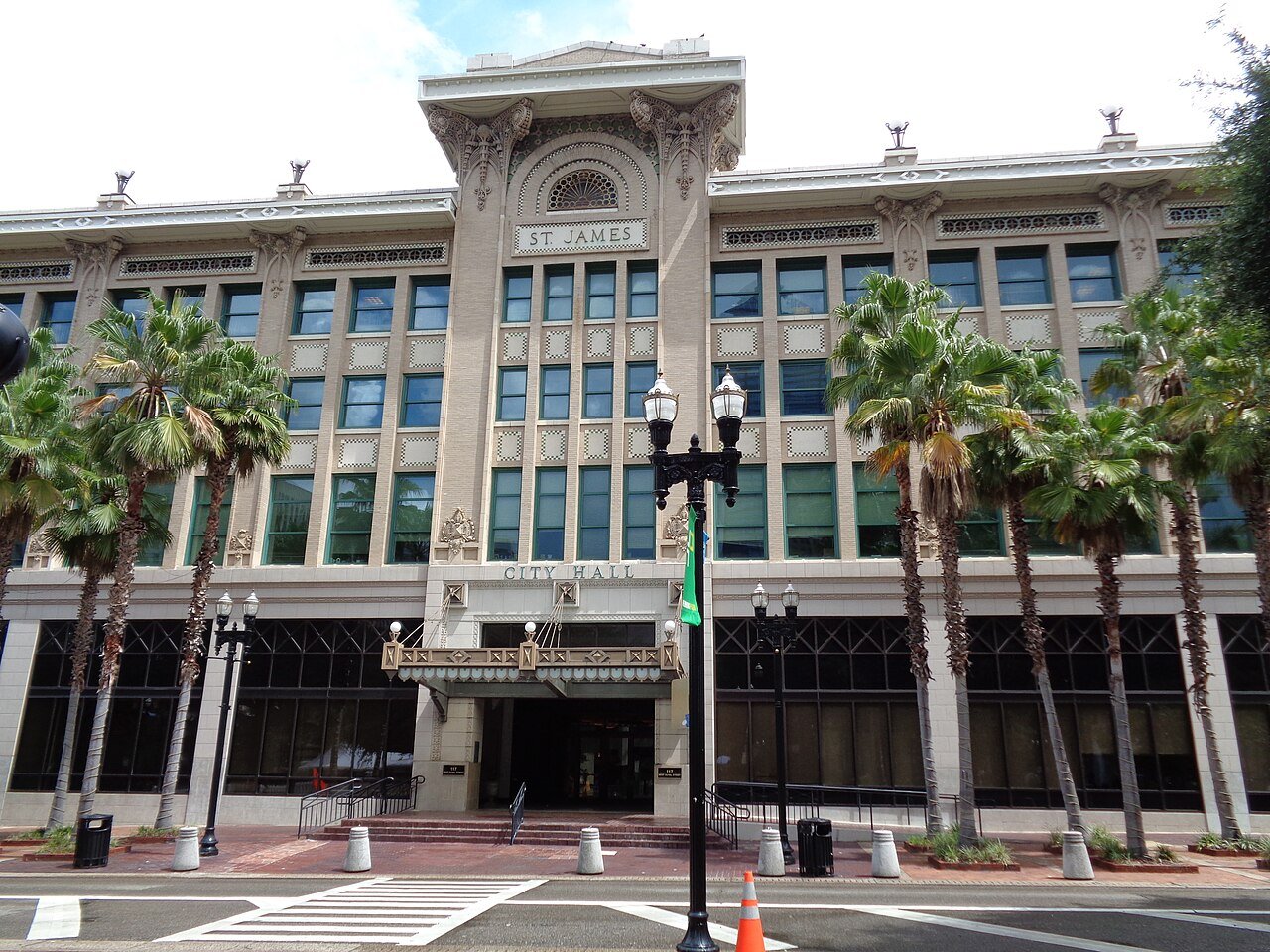

JACKSONVILLE, Fla. — A proposed public incentive package for the Publix-anchored Block N7 development is headed to the full City Council after a divided committee left the project’s next step in the council president’s hands.
News4JAX reported November 6 that President Nick Howland discharged the legislation from committee Thursday night, clearing the way for a Tuesday, November 10, vote. Howland said he would not support the bill in its current form.
The proposed package totals approximately $49.65 million, including about $21.4 million in property-tax rebates over 17 years and a $28.25 million completion grant. The incentives have not been approved.
How the proposal reached this point
The Jacksonville Daily Record’s November 4 committee account identified the legislation as Ordinance 2026-0541. Finance Committee members split 3-3, leaving Howland to decide whether to bring the matter before the full council or allow another delay.
Michael Boylan, Rahman Johnson and Randy White supported recommending the incentives. Will Lahnen, Rory Diamond and Mike Gay opposed them. Chris Miller was absent, according to the newspaper.
Gateway Jax’s plan places apartments and a grocery store in a 15-story development at 119 W. Beaver St., the former First Baptist Church auditorium site. The Daily Record reported that the redevelopment agreement calls for a minimum investment of approximately $140.16 million.
A dispute about both development and public commitments
Gateway Jax argues that a public-private partnership is necessary because a grocery store beneath a residential tower carries added construction, parking and infrastructure costs. Mayor Donna Deegan has defended the project as a way to support downtown investment and expand the commercial tax base, News4JAX reported.
Critics’ concerns predate the latest election. Lahnen has questioned unbudgeted completion grants, warning that existing commitments already put pressure on city finances. The Daily Record described that concern during the committee debate.
The passage of Amendment 3 has intensified scrutiny of future city revenue, but it has not answered the separate question of whether this particular agreement should proceed. A developer’s projection of future benefits and an opponent’s forecast of budget strain both concern outcomes that have yet to occur.
Tuesday’s decision will therefore address more than whether downtown should have a grocery store. It will determine whether council members accept this proposed public financing arrangement. Advancing the ordinance gives them that choice; it does not settle it.