
Morning edition · October 27, 2026
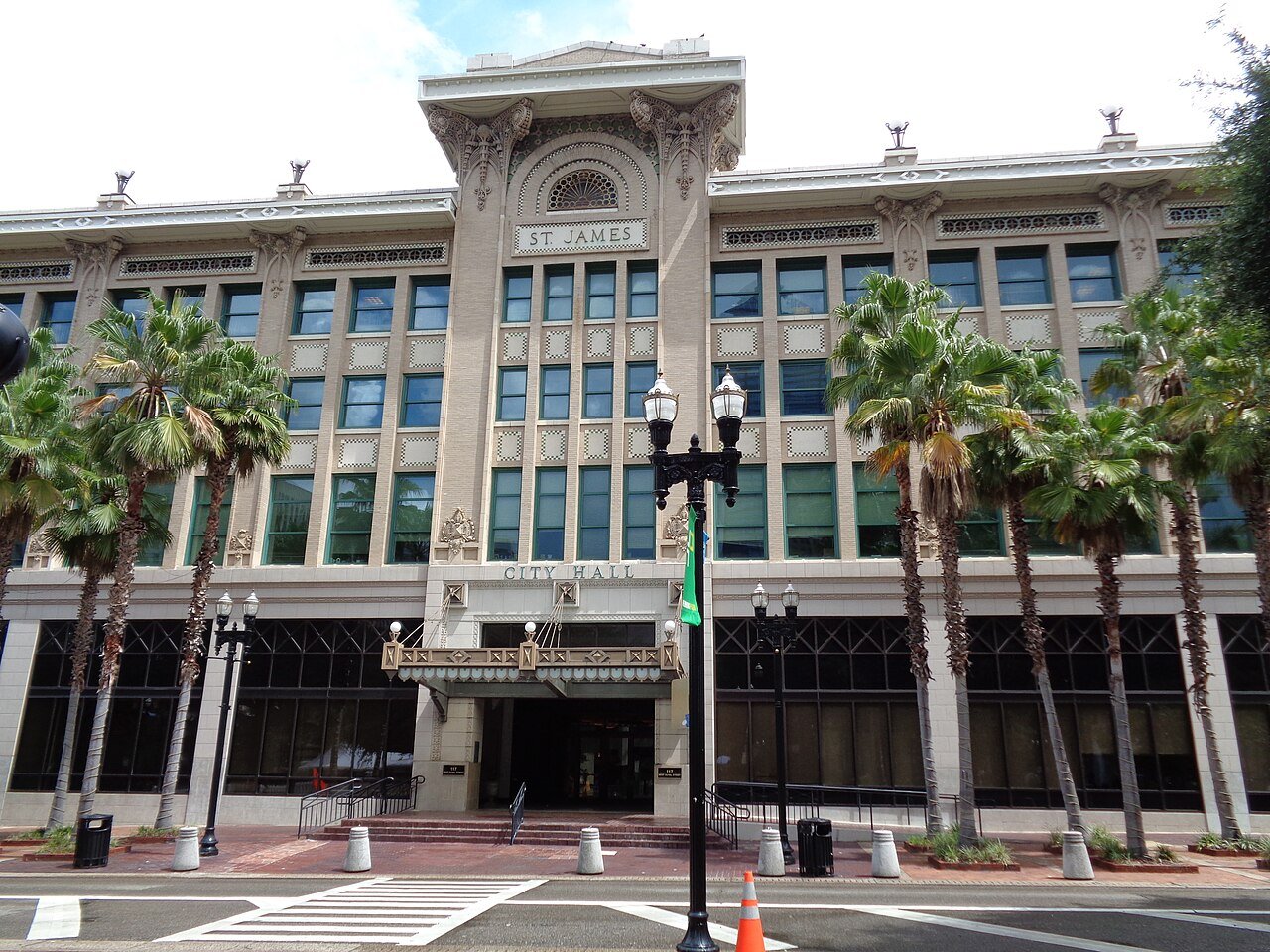

Jacksonville homeowners are confronting a striking comparison in newly reported housing research: property-tax payments rose substantially faster than home values over the study’s two-year window. But the finding needs its dates attached. It describes changes from 2022 through 2024, not a tax increase announced this week.
News4JAX reported October 26 that the Jacksonville metropolitan area placed second in a ConsumerAffairs ranking of the 100 most populous U.S. metros. The ranking compares the pace of property-tax growth with the pace of home-value growth.
What the numbers actually measure
In the original ConsumerAffairs analysis, Jacksonville’s median real-estate taxes paid increased 21.7%, while its median home value increased 8.1%. The difference is 13.6 percentage points.
That distinction is important. The study does not say Jacksonville has the country’s second-highest tax rate or second-highest tax bill. It ranks the gap between two growth rates. Nor does a metropolitan-area median describe the change experienced by every homeowner or refer exclusively to properties inside Jacksonville’s city limits.
The longer comparison produces a different picture. From 2019 through 2024, Jacksonville-area home values rose 63.1%, compared with 44.9% growth in property taxes, according to the research. The two-year and five-year results therefore answer different questions.
A housing-cost signal with limits
ConsumerAffairs used Census Bureau American Community Survey one-year estimates. Its methodology warns that revised metropolitan boundaries can affect comparisons, so some measured changes may partly reflect geography rather than changes within the same set of properties.
The analysis establishes a historical pattern in regional medians. It does not isolate one cause, evaluate a particular household’s assessment or predict a resident’s next bill.
For families budgeting to stay in their homes, that is the useful distinction: appreciation on paper and recurring ownership expenses are different measures. The report offers a reason to examine housing costs closely, while an individual property record and tax bill remain the evidence for what a particular owner owes.