
Onyx Bugett | TalkLife News
November 9, 2026 · News update · Jacksonville · Household costs
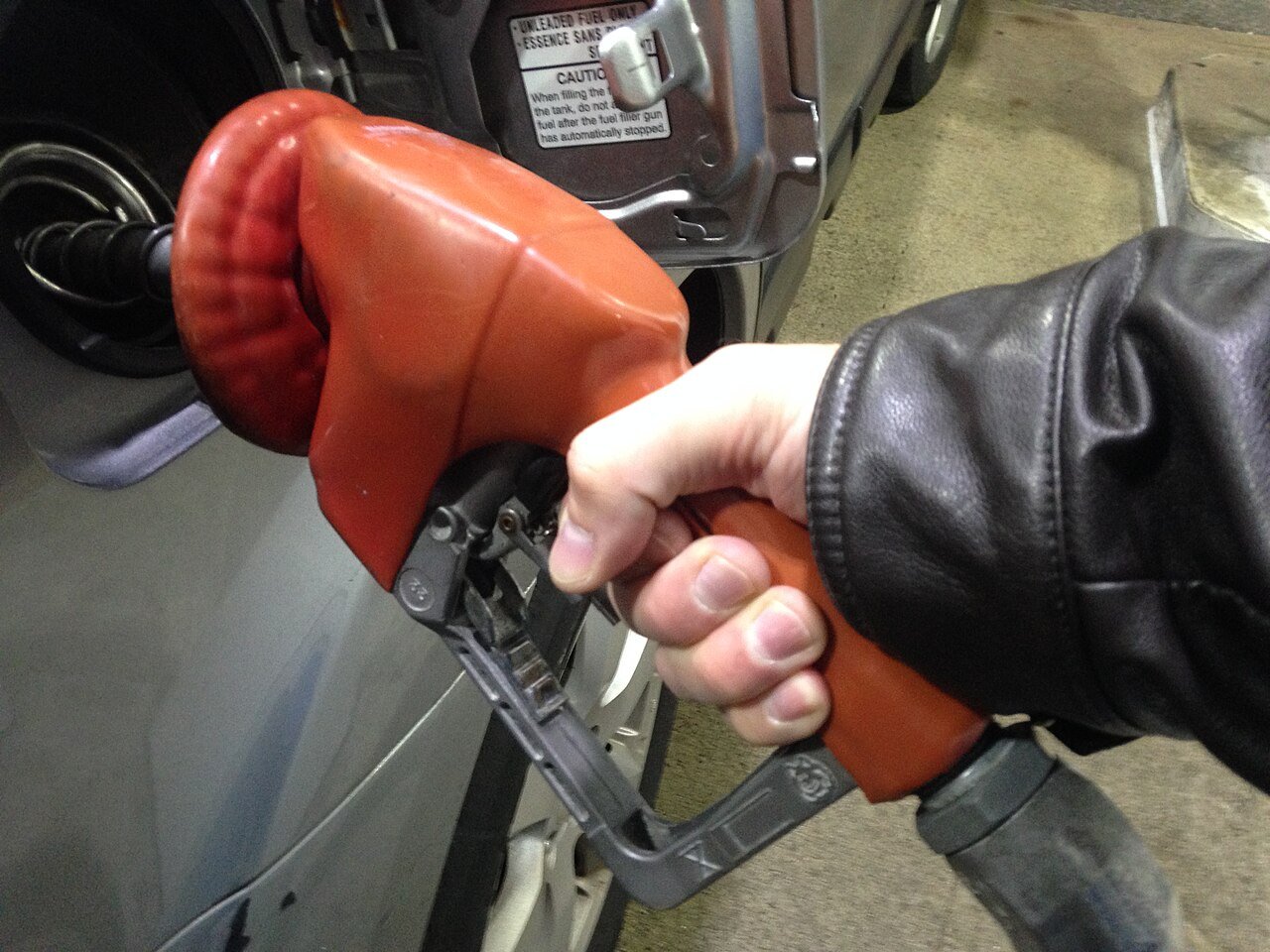

JACKSONVILLE — Drivers are seeing some relief at the pump, with the Jacksonville metropolitan average at $3.77 a gallon Monday, November 9, according to AAA figures reported by News4JAX. The statewide average cited in that morning report was $3.79.
News4JAX’s November 9 report puts Jacksonville’s weekly decline at about 10 cents a gallon. For a 15-gallon purchase, a 10-cent reduction works out to $1.50. That illustration assumes the same amount of gasoline is bought at the two compared prices.
Keep the survey dates together
In its November 8 statewide release, AAA described Florida prices as the lowest in four months. Its Sunday snapshot was $3.803 a gallon, compared with $3.869 a week earlier and $4.180 a month earlier.
Using those unrounded statewide figures, a 15-gallon purchase would cost about $57.05 at Sunday’s average, versus $62.70 at the month-earlier average—a difference of about $5.65. These are statewide survey comparisons, not a promise about the price at a particular Jacksonville station.
Sunday’s release and Monday’s local report are separate snapshots. Gas averages update daily, so mixing dates or comparing different metropolitan areas can obscure what changed.
Lower wholesale prices can take time to arrive
AAA attributed recent declines in oil and gasoline futures to improving supplies, softer demand and easing supply-disruption concerns. It cautioned that retail prices do not move in exact step with futures: local supply and distribution costs can affect the timing.
The organization said further relief was possible if conditions remained favorable. That is an outlook, not a confirmed future pump price.
Households can also reduce the amount they use
FuelEconomy.gov’s driving guidance recommends sensible driving and avoiding unnecessary idling. It notes that fuel economy generally deteriorates rapidly above 50 mph, although the most efficient speed varies by vehicle. Idling also consumes fuel, with usage depending on engine size and air-conditioning demand.
For a household budget, both sides of the calculation matter: the price per gallon and the gallons consumed. This week’s dated figures show a reduction in the first; individual trips, vehicle efficiency and driving habits determine the final bill.