
Onyx Bugett | TalkLife News
November 5, 2026 · News update · Developing
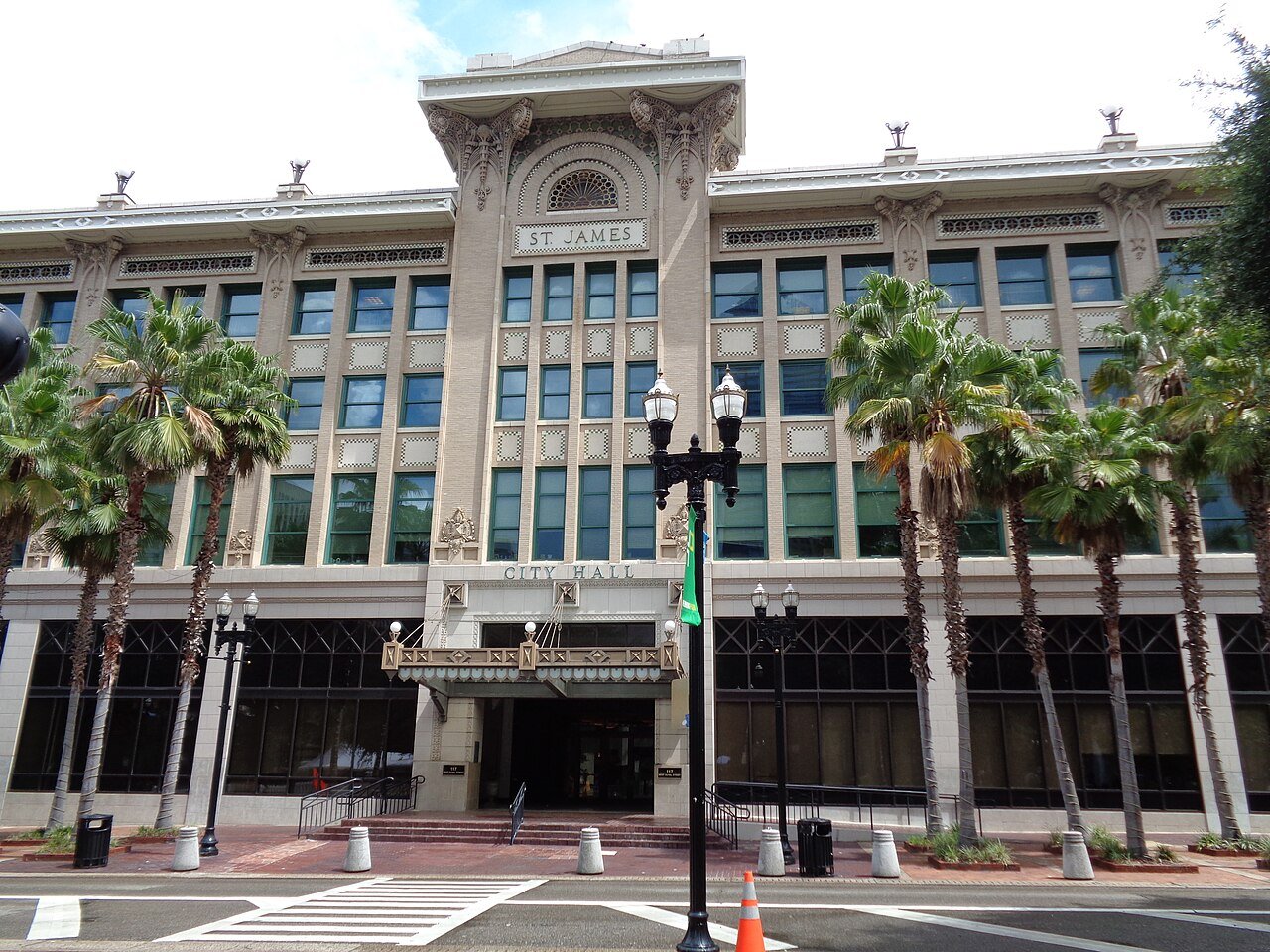

JACKSONVILLE — Florida voters’ approval of Amendment 3 has moved Jacksonville’s property-tax debate from a possible future problem to a budget-planning challenge, with city leaders divided over how quickly to change spending.
Mayor Donna Deegan said she would work through the next budget rather than begin immediately reversing programs after the election, according to Action News Jax’s November 4 interview. She described a six-to-eight-month process and promised a balanced, lean spending plan.
The numbers describe a forecast
News4Jax reported November 4 that the City Council Auditor’s Office estimated revenue reductions of $200 million in fiscal 2027–28 and $300 million by fiscal 2028–29. Those are projections of future revenue effects, not a finding that the city has already spent or lost those amounts this week.
The distinction is important for residents comparing promises of tax relief with warnings about services. A lower revenue forecast creates pressure on a future budget; the actual spending response still depends on decisions by the mayor and council.
In separate reporting, News4Jax explained that the amendment expands the non-school homestead exemption. The measure’s impact on any particular household should not be inferred from a citywide revenue estimate or another homeowner’s example.
Disagreement over what to cut
News4Jax reported that Council member Rory Diamond called for reducing support for downtown developers and removing funding associated with vacant city positions. Council member Rahman Johnson opposed a blanket hiring freeze. Those are competing positions in a policy debate, not evidence that either approach has been adopted across city government.
Deegan acknowledged voters’ desire for affordability but criticized the lack of a replacement funding backstop, Action News Jax reported. Finance Chair Will Lahnen said there was time for the council and administration to work together.
For neighborhoods following the consequences, the next meaningful evidence will be proposed spending plans, revised revenue estimates and council votes identifying actual changes. Until then, a projected shortfall should be described as a forecast, a suggested cut as a proposal, and an approved budget action as a decision. Keeping those stages distinct lets residents assess both the promised relief and the services they want city government to provide.