Onyx Bugett | TalkLife News
Morning edition • October 21, 2026. Forecast: survey expectations are separate from Federal Reserve decisions.
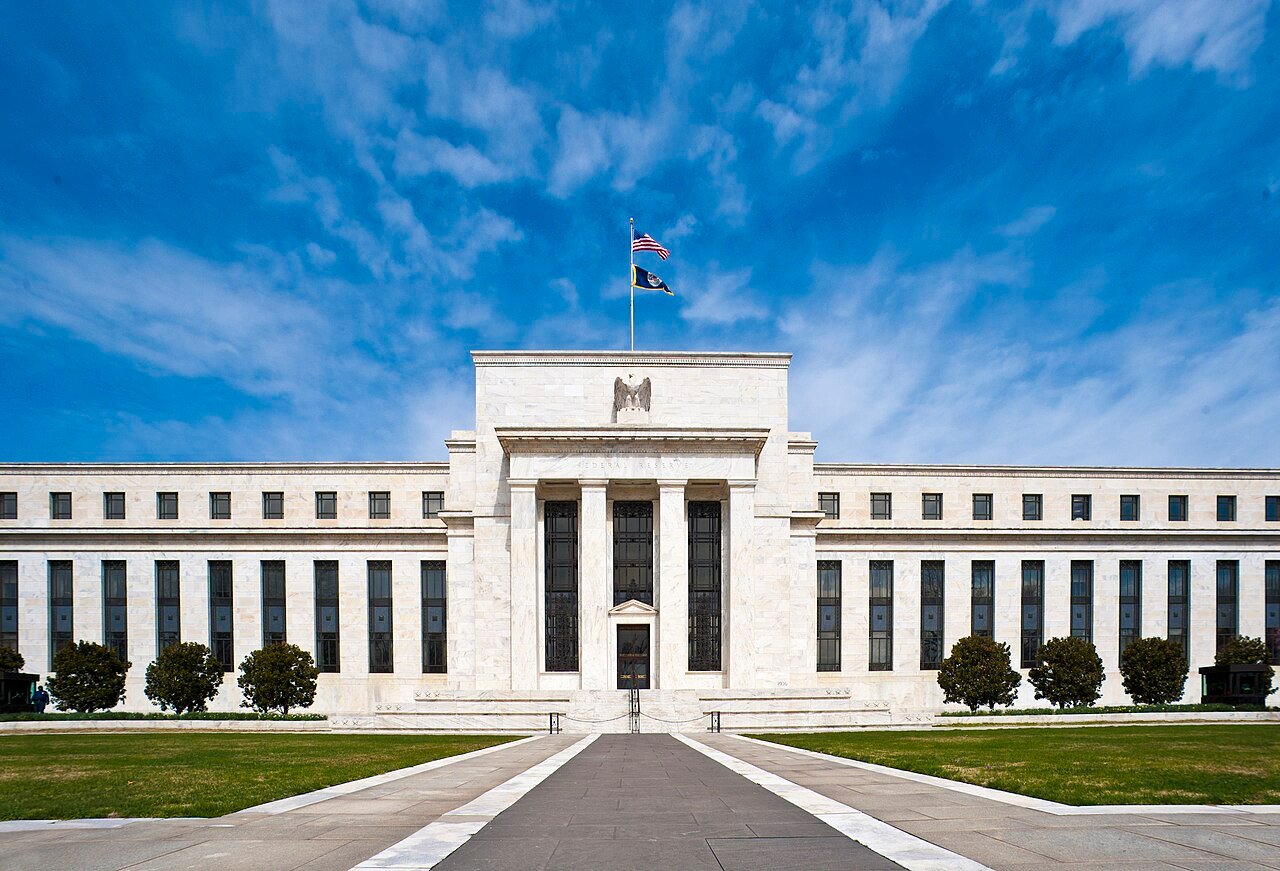

A new economist survey points toward an October pause in Federal Reserve interest-rate increases, followed by a December hike. For households watching borrowing costs, the essential qualification is that this is a forecast, not a decision already made by the central bank.
In an October 16–20 Reuters poll, 94 of 100 economists expected the Fed to hold its benchmark range at 3.75% to 4.00% this month. All 100 expected an increase in December. The survey records outside expectations; it does not bind policymakers or establish the size of a future move.
The Fed’s official calendar lists its next policy meeting for October 27–28, followed by December 8–9. The December meeting is scheduled to include a Summary of Economic Projections.
What the benchmark rate actually describes
The Federal Reserve’s explanation of monetary policy defines the federal funds rate as the rate banks charge one another for overnight balances. It is not a universal interest rate directly charged to every borrower.
The central bank says changes in that rate affect a wider chain of financial conditions, including other short-term rates, longer-term rates, money and credit, and ultimately employment, output and prices. That helps explain why the upcoming decision attracts attention well beyond financial markets.
The Federal Open Market Committee reviews economic conditions and risks when determining policy. It holds eight regularly scheduled meetings each year, with other meetings possible when needed. Its calendar provides links to the statements and minutes that establish the official record.
For readers comparing financial headlines, an expectation that rates will stay unchanged this month does not mean the committee has abandoned later increases. Conversely, agreement among surveyed economists cannot make a December increase certain.
The next definitive update comes from the committee’s statement after its October meeting. Until then, the useful distinction is between the decision date and the anticipated outcome. Treating the poll as an announced policy would give households a certainty the evidence does not support.