
Onyx Bugett | TalkLife News
Published October 28, 2026
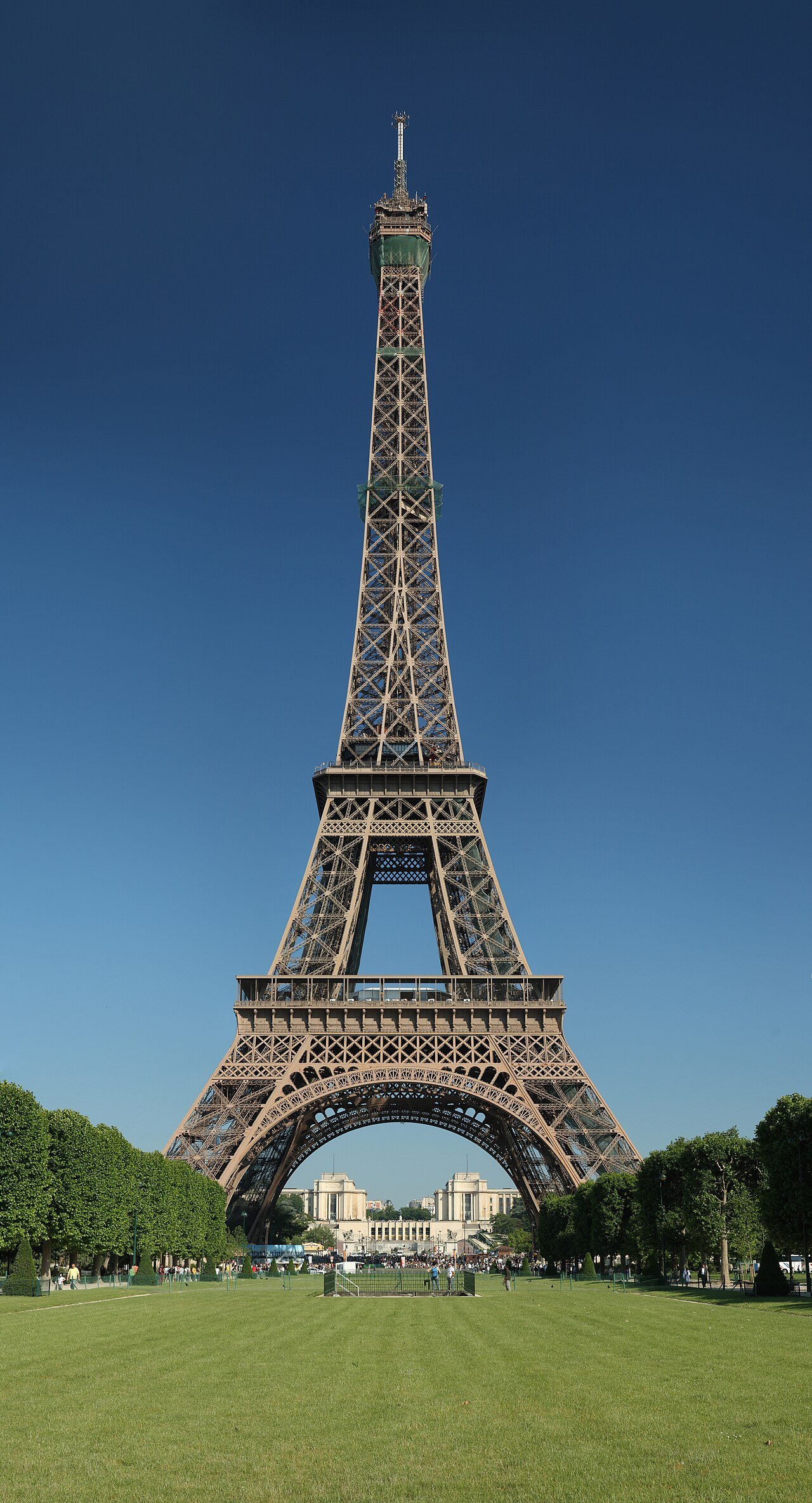

A video circulating as evidence that protesters placed flags atop the Eiffel Tower does not document a real event. Investigations traced the clip to an AI creator and an earlier upload that identified it as synthetic.
In its October 27 fact check, AFP reported that the footage was shared with captions linking it to unrest in France. The clip appeared to show people at the top of the landmark with Palestinian and Jordanian flags.
Following the video back to its source
AFP used frames from the video to find an October 18 Instagram upload. That post carried an AI disclosure, and the account described itself as an AI-content creator. Its owner told AFP the footage had been generated and did not show an actual event.
The investigation also identified differences between the structure shown in the video and authentic photographs of the tower. Those observations supported the provenance evidence; they were not the only basis for the finding.
AAP’s October 27 investigation likewise found the flag footage false. Its examination included an AI-identification result and comparison with genuine images of the landmark.
A narrow verdict matters
The finding applies to this circulating clip. It does not establish that every photograph or video associated with French demonstrations is fabricated, or that every separate report involving a flag at the tower is false.
AAP noted that a smaller Palestinian flag had been unfurled on the tower earlier in 2026, but that footage did not match the viral video. Mixing genuine earlier incidents with invented new imagery can make a false caption harder for viewers to recognize.
For people deciding whether to share the clip, the strongest evidence is its origin and the creator’s confirmation. A convincing-looking landmark or an emotionally charged caption cannot turn generated footage into documentation.
The practical verification lesson is to locate the earliest available upload, preserve its caption and compare it with the version being circulated. Removing an AI disclosure changes the audience’s understanding even when the underlying pixels remain the same.