
Onyx Bugett | TalkLife News
Midday edition · October 29, 2026
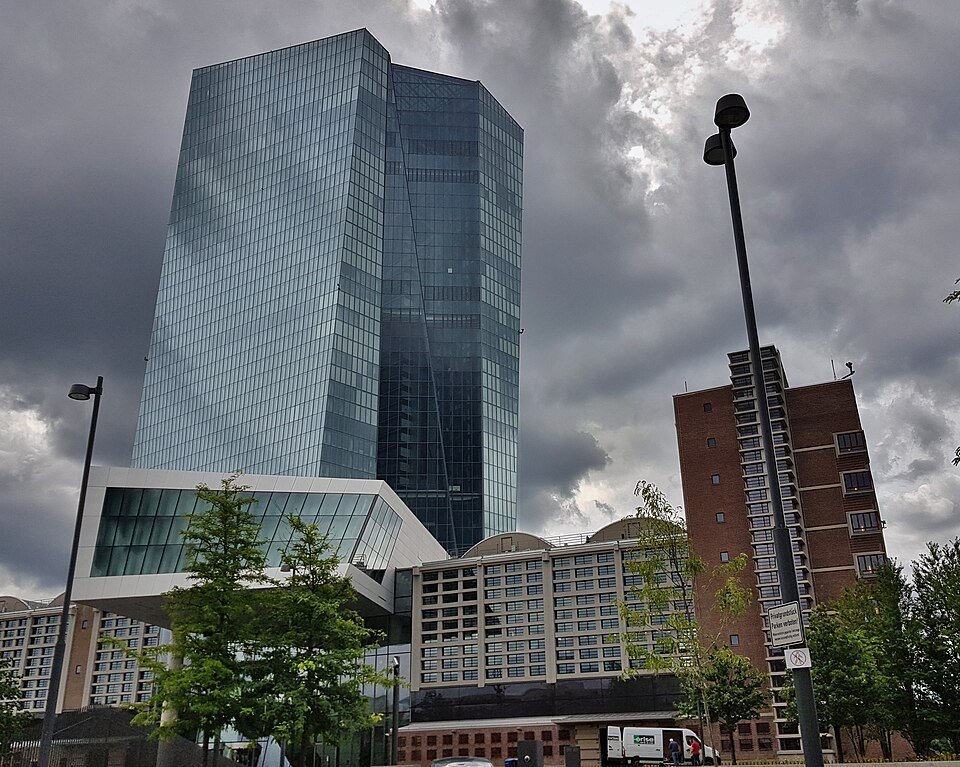

The European Central Bank kept its three key interest rates unchanged Thursday, while warning that rising energy prices could make the cost-of-living problem harder to resolve without weakening the economy.
The October 29 decision leaves the deposit facility rate at 2.50%, the main refinancing rate at 2.65% and the marginal lending rate at 2.90%. Those are confirmed policy settings. A possible increase at a later meeting remains a prospect, not a decision made today.
A pause with an unsettled outlook
The ECB said energy costs pose upward risks to inflation and downward risks to growth. It also said underlying inflation had been broadly stable and wages had not yet shown a substantial response to the energy shock.
In its October policy explainer, the bank described continued economic growth alongside more expensive loans and weaker demand for mortgages. Those observations help explain the difficulty of setting rates when household costs and financing pressures are moving together.
Reuters reported October 29 that the decision kept a December increase in prospect. That assessment should be read alongside the bank’s explicit statement that it is not committing to a particular rate path.
What the decision means for readers here
An ECB announcement is not a Federal Reserve decision and does not automatically reset an American household’s mortgage or credit-card rate. Its relevance to TalkLife readers is the wider problem it illustrates: an energy shock can put pressure on prices while making borrowing and investment more difficult.
The useful comparison is between decisions and expectations. Today’s rates are known. Future rates depend on incoming evidence, and forecasts about them can change.
For households and small businesses following international economic news, that distinction prevents a possible future move from being mistaken for a bill already due. The next evidence will come from inflation, energy and financing developments rather than from the word “pause” alone.