
Onyx Bugett | TalkLife News
Morning edition • October 20, 2026. Researchers are still assessing the circulating strain and its effects.
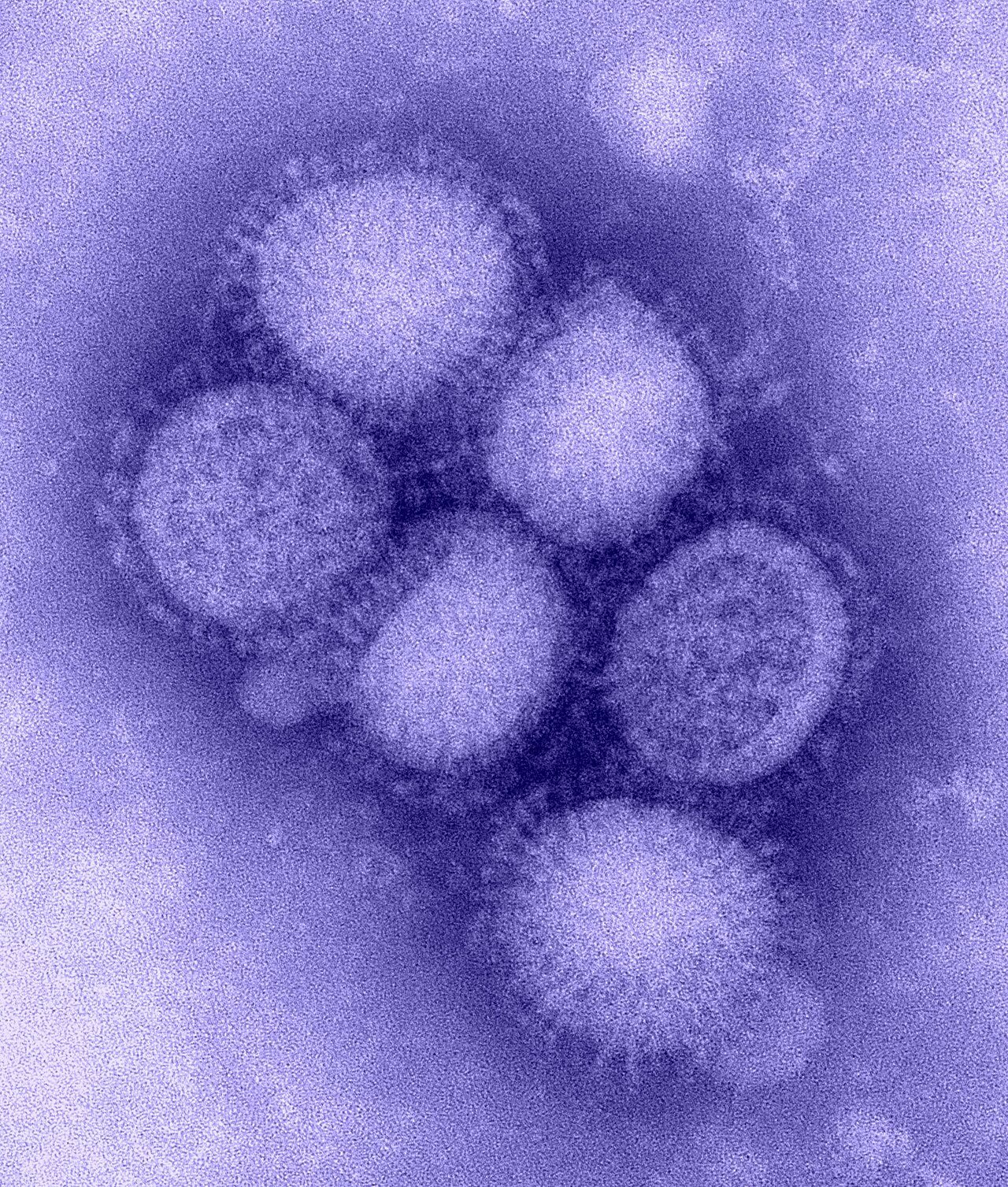

An unusually early rise in flu cases on the West Coast is prompting doctors to urge seasonal vaccination while researchers examine changes in the circulating virus.
Reuters reported October 20 that scientists are studying an H1N1 mutation and whether younger people may have less residual protection against it. That concern is still being investigated. It does not establish how severe the entire U.S. season will become or predict an individual patient’s outcome.
The practical public-health advice is available now. The Centers for Disease Control and Prevention recommends a flu vaccine each season for everyone six months and older, with rare exceptions. The agency says September and October are generally suitable vaccination months for most people who need one dose.
Protection takes approximately two weeks to develop after vaccination. The CDC also explains why an annual dose is needed: protection can decline over time, and influenza viruses change, requiring the vaccine’s composition to be reviewed.
Recommendations differ by age and medical circumstances. Some children need two doses at least four weeks apart, and different vaccine products have different age approvals and suitability requirements. A clinician or pharmacist can help a family choose an appropriate option.
A warning signal is not a completed forecast
Early activity in one part of the country should be understood alongside local surveillance. It gives health professionals something to watch, but it is not evidence that Jacksonville and Brooklyn are experiencing identical conditions today.
The CDC says vaccine effectiveness varies with the circulating viruses, the vaccine match and characteristics of the person receiving it. Vaccination can reduce illness and serious complications without guaranteeing that someone will never become infected.
For families, the useful step is to review seasonal protection while there is time to plan. Clinics, pharmacies and local health departments are among the places the CDC identifies for access. Individual questions about allergies, prior reactions or current illness should be discussed with the provider administering the vaccine.