
By Onyx Bugett | TalkLife News
October 11, 2026
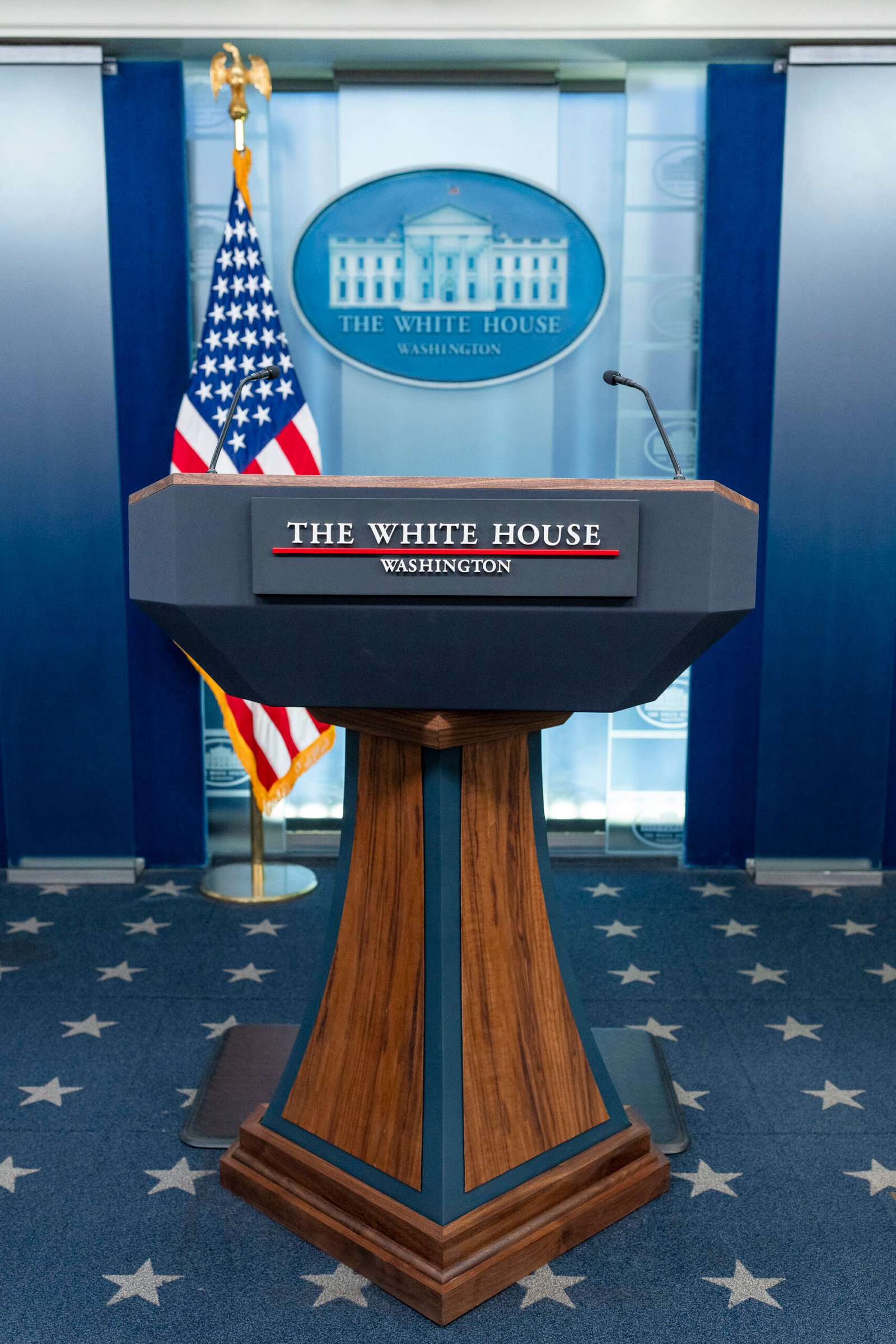

The Justice Department says it is investigating whether a coordinated halt in White House television-pool coverage violated federal antitrust law, adding a business-competition question to an already serious dispute over press access.
The inquiry concerns ABC, CBS, CNN, Fox and NBC, the five broadcasters in the television pool. The pool stopped covering President Donald Trump last month after the White House excluded CNN, MS NOW and Politico from access.
Justice Department spokesperson Emily Covington said the Antitrust Division is examining whether the broadcasters’ joint action amounted to an unlawful group boycott. The inquiry is exploratory. Its existence does not establish that the networks violated the Sherman Antitrust Act or any other law.
The excluded outlets sued. A federal judge temporarily restored their access, and pool coverage has resumed. That procedural history matters because readers could otherwise conclude incorrectly that the blackout remains in effect or that a court has already resolved the antitrust issue.
The administration presents the matter as a potential case of competitors coordinating to withhold a service. Press-freedom advocates argue that the investigation could intimidate news organizations defending equal access. Those are competing legal and policy positions, not settled findings.
For the public, the dispute is about more than who receives a seat in a room. Pool arrangements allow a small group of journalists to gather video and information on behalf of a broader press corps when space and access are limited. Restrictions on that system can affect what citizens can see and independently evaluate.
TalkLife News will separate three issues as the case develops: the White House’s authority over access, the broadcasters’ coordination and the government’s use of antitrust enforcement. Treating them as one question would obscure the legal dispute.
No charges or civil complaint were announced with the investigation. The next meaningful developments would be a formal enforcement action, a decision to close the inquiry or a new court ruling on the access restrictions.