
By Onyx Bugett | TalkLife News
October 2, 2026 • Late-morning edition
_USCA8539.jpg)
Americans in places that observe daylight saving time should still plan for the November 1 return to standard time. A proposal to end seasonal clock changes has not become law.
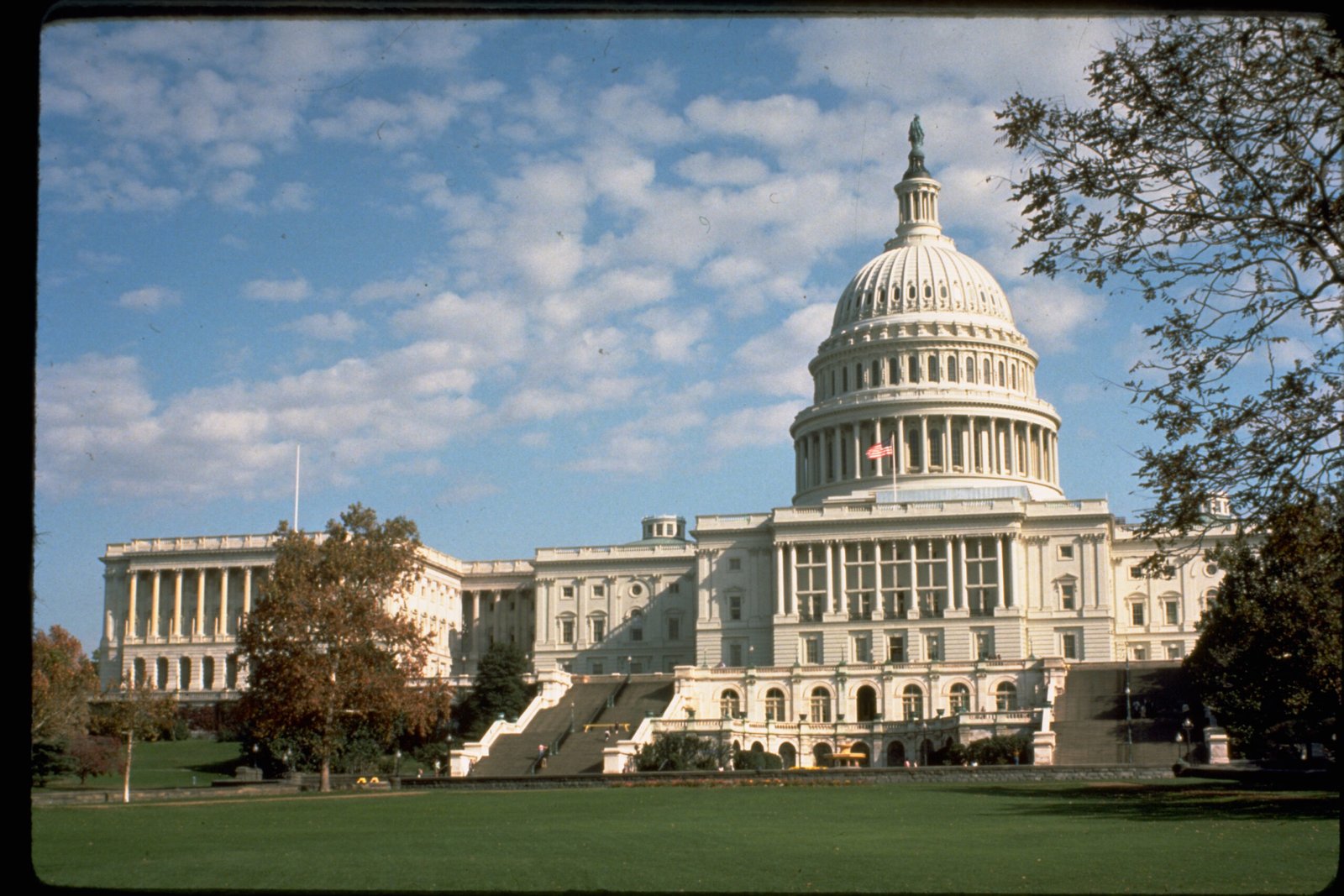
Reuters reported October 2 that the Senate had finished its work until after the November 3 election, with no votes scheduled before then. The House passed a permanent-daylight-saving measure in July by 308–117, but that vote alone did not change the rules.
As described by Reuters, the measure would stop the return to standard time in 2027 if enacted. It does not cancel this November’s scheduled transition.
The distinction is important because a successful vote in one chamber can easily be mistaken for completed legislation. Support for a proposal, even from the president, is different from a change that has taken legal effect.
The Department of Transportation explains that federal law sets the beginning and ending dates for states choosing to observe daylight saving time. States may exempt themselves from observing it, but they cannot independently choose permanent daylight saving time.
DOT also says it oversees uniform observance and time zones but does not have the authority to repeal or change daylight saving time itself. That limits what can be accomplished through an administrative announcement.
For households, the immediate takeaway is practical: keep the seasonal reminder on the calendar, check arrangements for travel across time zones, and use the current rules when scheduling appointments.
The debate may resume when lawmakers return. Until legislation is enacted, however, reporting should separate what supporters want from what clocks are actually required to do.