
By Onyx Bugett | TalkLife News
October 2, 2026 • Late-morning edition • Developing
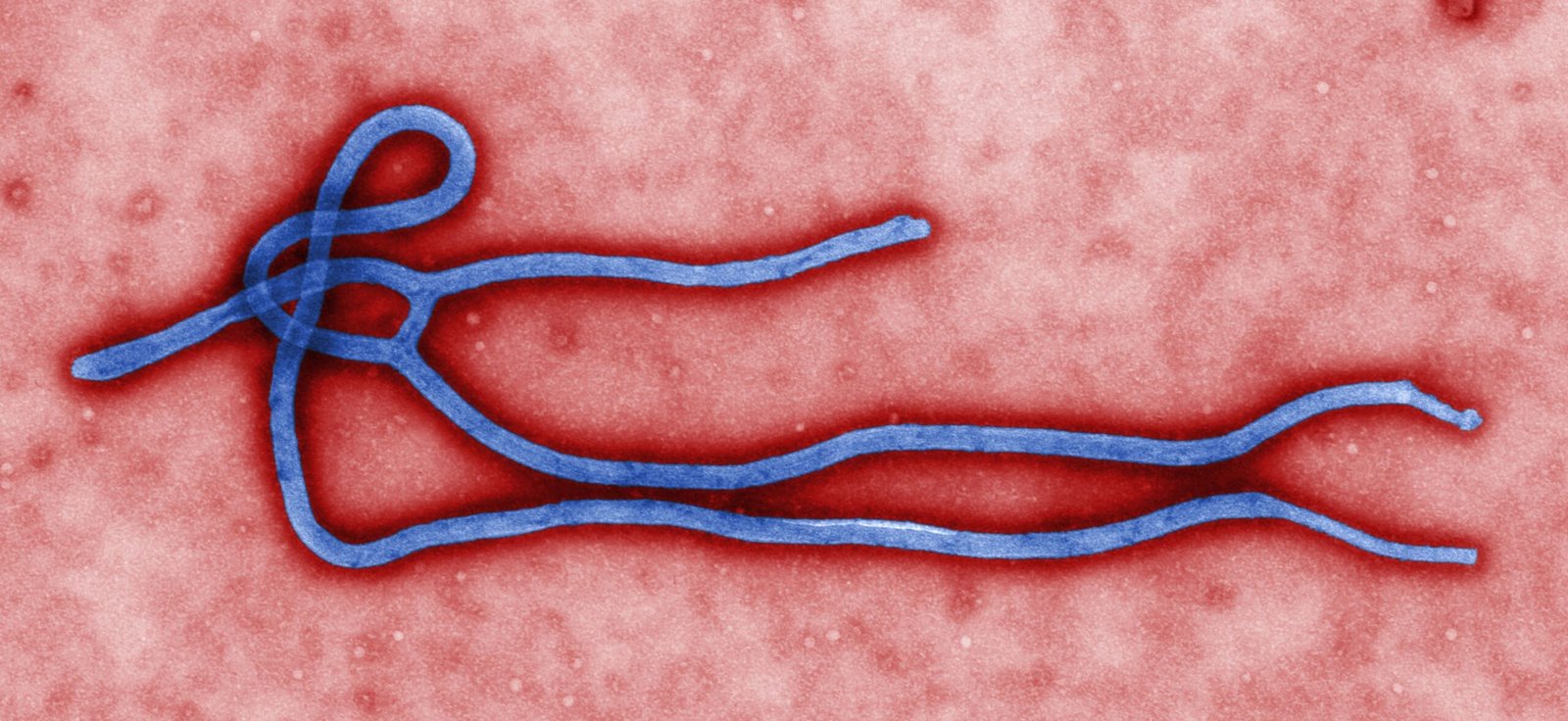

The Democratic Republic of Congo’s Ebola death toll has reached 4,018, according to government figures reported by Reuters on October 2. Confirmed cases stood at 8,300 across seven provinces, and more than 2,000 patients had recovered.
Those figures describe a continuing emergency rather than a uniform pattern across the country. Reuters reported slowing transmission in parts of Ituri alongside continued spread elsewhere. The counts should be understood as government-reported totals, not an independently audited tally.
The outbreak involves Bundibugyo virus, one of the viruses that cause Ebola disease. In its September 25 update, the World Health Organization described geographic expansion and substantial differences between affected areas.
WHO identified delays in detecting cases and obtaining appropriate care as important challenges. Conflict, insecurity, displacement and limited basic services also complicate surveillance, contact tracing and treatment.
The agency explains that the disease spreads through direct contact with infected bodily fluids or contaminated materials. Containment depends on identifying cases promptly, providing care, tracing contacts and engaging communities. WHO’s update said no approved vaccine or specific treatment existed for Bundibugyo virus disease.
Risk should also be reported with geographic context. In the assessment described in that update, WHO rated risk within Congo as very high and in neighboring countries as high, while the global-level risk was low. Those categories should not be replaced by a generalized claim that every country faces the same danger.
For families following events from abroad, accurate dates are essential: the WHO briefing reflects an earlier reporting period than the October 2 government figures. The two should not be presented as simultaneous counts.
The continuing toll makes this a story about access to care and the capacity to interrupt transmission, as well as numbers. Further updates will need to track where cases are occurring and whether response efforts are reaching affected communities.