
Onyx Bugett | TalkLife News
News update · November 2, 2026
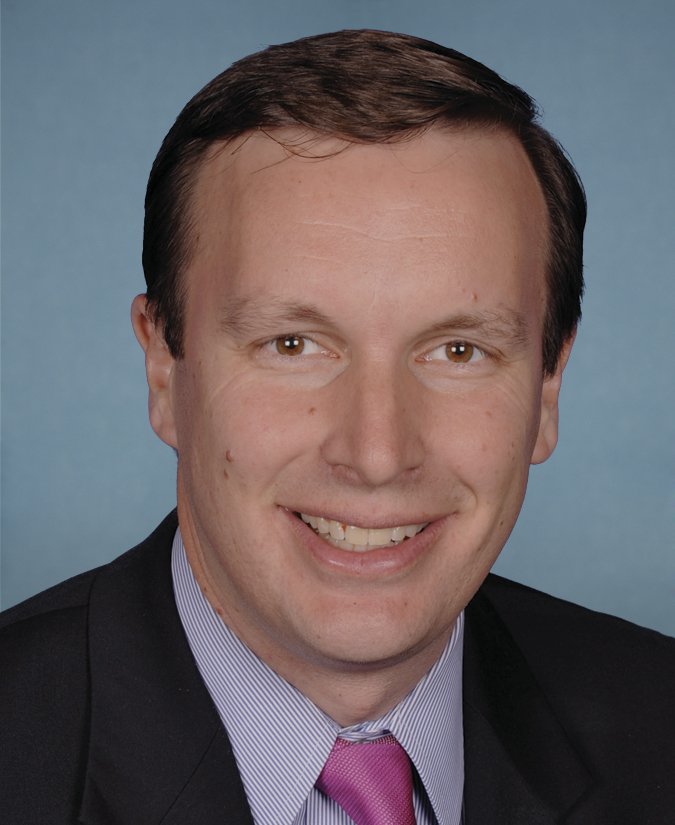

U.S. Senator Chris Murphy of Connecticut was hospitalized after suffering a stroke Saturday, October 31, his office announced Sunday. The Democrat’s chief of staff said he was awake, alert and responding well to treatment after being transferred to Johns Hopkins for further monitoring.
In a November 1 statement, Allison Herwitt said Murphy began experiencing arm numbness while attending his son’s hockey game. A local hospital determined that he had experienced a stroke before the transfer.
Herwitt said doctors were encouraged by his progress and that the office was optimistic about a full recovery. That is the outlook conveyed in the statement, not confirmation that recovery is complete or a timetable for his return to work.
What the public statement establishes
The announcement confirms a hospitalization and describes the early response to treatment. It does not identify the type of stroke, provide a detailed treatment plan or announce a discharge date. Those details should not be inferred from the fact that he was reported awake and alert.
CT Mirror’s November 1 reporting noted that Murphy is not on Tuesday’s ballot and had been campaigning for other Democratic candidates. The immediate story is his health; speculation about a lasting political impact goes beyond the information released.
Recognizing symptoms is a public-health concern
Separate from Murphy’s individual case, the Centers for Disease Control and Prevention’s May 19 guidance says sudden numbness or weakness, especially on one side, can be a stroke warning sign. Other signs include sudden problems with speech, vision, walking or balance, and a severe headache without a known cause.
The CDC advises calling 911 immediately if someone has those symptoms. Its B.E. F.A.S.T. reminder covers balance, eye or vision changes, face drooping, arm weakness, speech difficulty and time to call emergency services. Note when symptoms first appeared and seek an ambulance rather than driving to the hospital.
That general guidance does not explain what caused Murphy’s stroke or predict his recovery. For readers, it offers a practical reason to recognize sudden symptoms and act promptly, while further information about the senator should come from his office or a medical update released with authorization.