
Onyx Bugett | TalkLife News
November 9, 2026 · Morning report
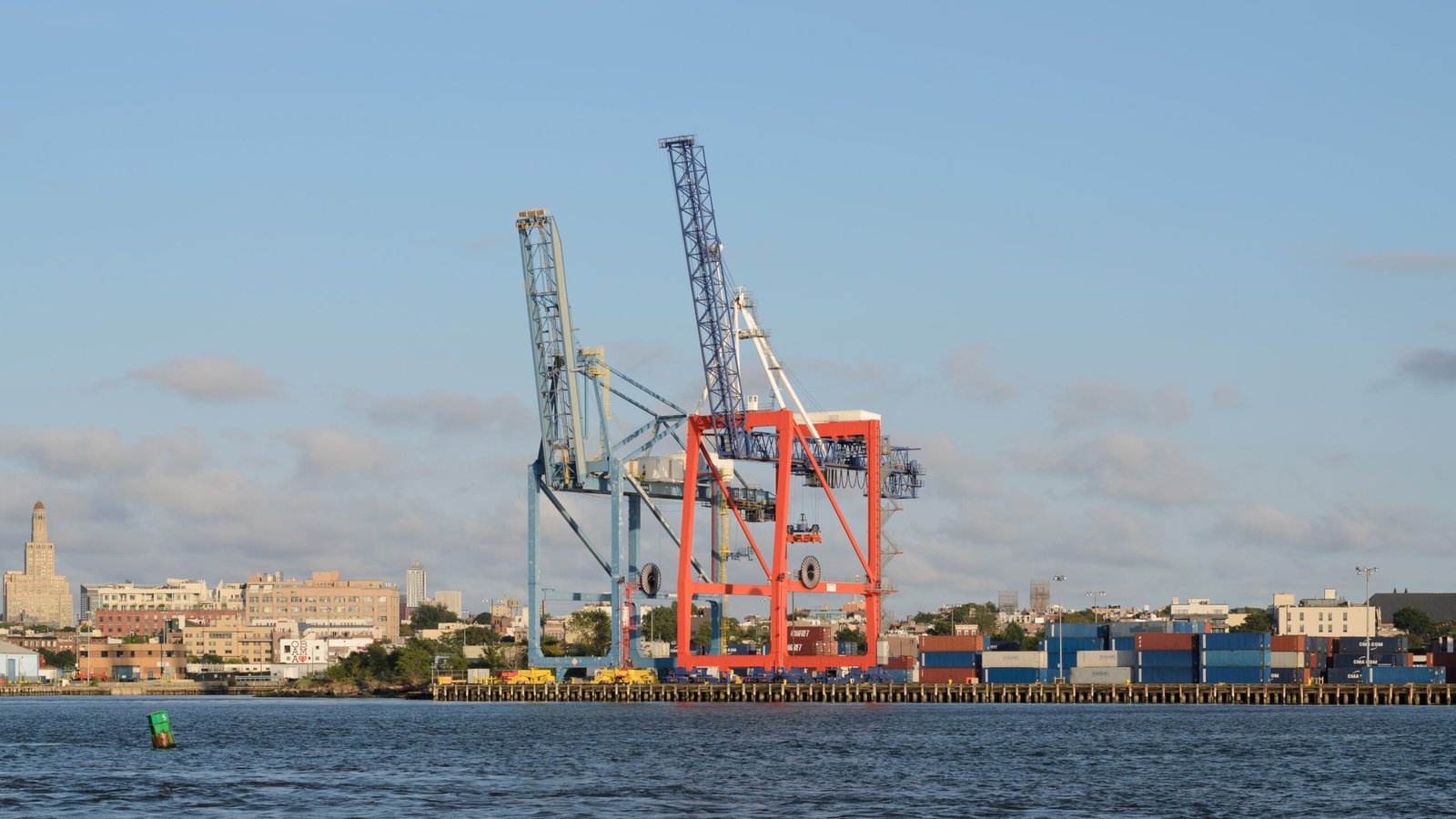

China announced Monday, November 9, that it would keep a 24% additional tariff on U.S.-origin goods suspended for another two months, extending a temporary pause in the countries’ trade confrontation. A separate 10% additional tariff remains in place.
The Chinese government’s November 9 account of the Customs Tariff Commission decision says the adjustment takes effect at 1:01 p.m. on November 10. The commission linked the decision to the leaders’ earlier Washington meeting and said China would monitor subsequent U.S. measures before deciding whether to adjust its response.
That is a limited extension, not a declaration of tariff-free trade. The announcement concerns an additional layer of duties on goods entering China from the United States. It does not, by itself, change what American customs authorities charge on Chinese goods entering this country.
More time for negotiations
Reuters reported November 9 that the truce had been due to expire Tuesday and that Presidents Donald Trump and Xi Jinping were expected to meet at next week’s APEC summit in China. A proposed broader package of reciprocal tariff reductions remained unfinished, the news agency reported.
A planned meeting and a completed agreement are different milestones. The extension preserves negotiating time without establishing the outcome of those discussions.
What businesses and households should watch
The World Trade Organization’s small-business trade handbook explains that import tariffs are paid by the importer and that national schedules classify products using Harmonized System codes. The applicable duty can vary with the product and country of origin, and other border charges may also apply.
For a U.S. exporter, that means the relevant question is which charges its customer faces on a specific product entering China. For an American buyer importing goods, the relevant schedule is the one governing entry into the United States. A headline percentage cannot replace that product-by-product check.
The practical significance is reduced near-term uncertainty for businesses planning orders under the suspended Chinese measure. It is not evidence of an immediate reduction in a Jacksonville or Brooklyn household’s shopping bill. The next consequential developments will be the negotiations’ results and any published changes to the duties that actually apply to particular goods.