
Onyx Bugett | TalkLife News
October 23, 2026 · All U.S. local times in this article are Eastern unless otherwise stated.
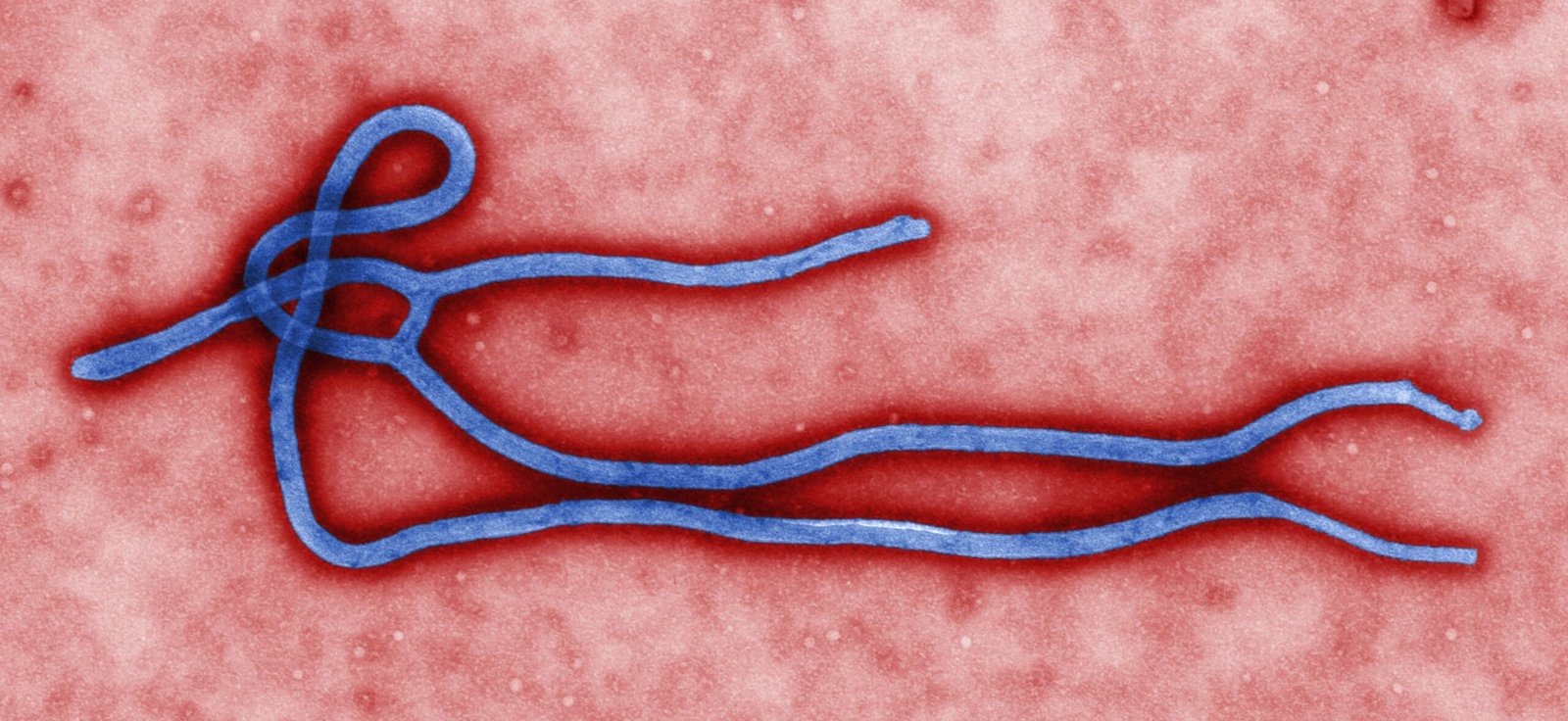

International travelers heading to the United States will face a new health-related boarding requirement beginning November 3. A CDC order issued October 22 requires passengers to sign a statement confirming they have not been in the Democratic Republic of the Congo during the preceding 21 days, unless they have an authorized exemption.
The agency’s implementation guidance sets the effective time at 11:59 p.m. Eastern Standard Time on November 3, 2026. It applies to flights departing a foreign country for the United States at or after that time, including trips that connect through the United States to another destination.
Recent travel history determines eligibility
Airport transit through DRC counts as presence even when a passenger does not leave the airport or aircraft. The rule also applies to U.S. citizens, U.S. nationals and lawful permanent residents traveling from foreign countries.
Under the signed order, the day a traveler leaves DRC is day zero. The next full calendar day is day one; a nonexempt traveler may board a U.S.-bound flight beginning on day 22.
Each passenger needs an attestation. An authorized adult can sign for a child under 18, and an authorized representative can act for someone unable to complete it independently. Paper and approved digital processes are permitted.
Check arrangements before the return trip
Airlines must deny boarding when a covered passenger has not completed the attestation and does not have an exemption. The requirement covers commercial flights, private aircraft and general aviation; this particular order does not apply to land crossings or seaports.
CDC describes the measure as intended to reduce the risk of Ebola introduction through air travel. The attestation is a signed statement about travel history, rather than a requirement that every traveler take an Ebola test.
For families arranging international visits, the practical step is to review the full itinerary—including connections—and contact the carrier about its collection process. Travelers who may need an exemption should consult the official CDC instructions before relying on a booking. The effective date, travel history and any exemption are more useful than a general warning circulating without the underlying order.