
Onyx Bugett | TalkLife News
November 9, 2026 · Morning report · Brooklyn
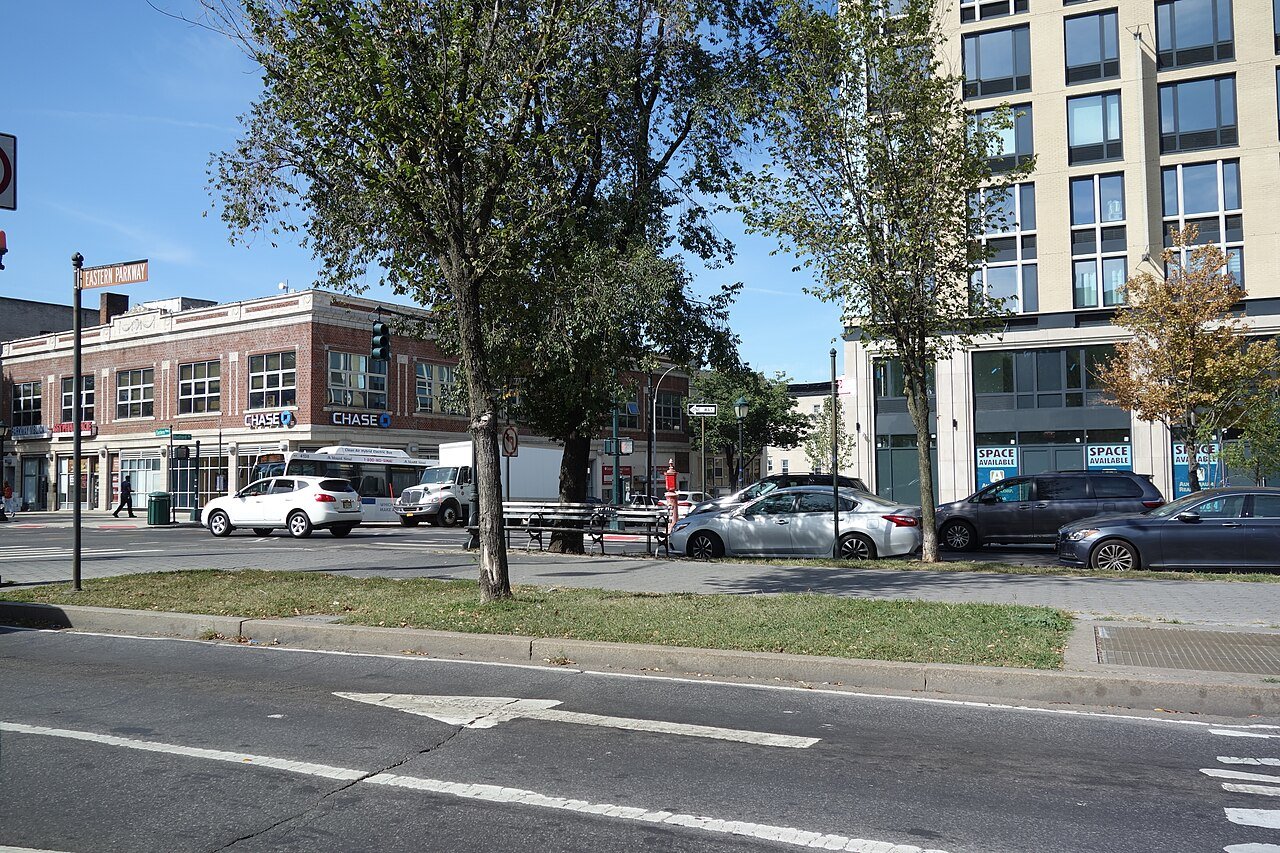

BROOKLYN — A debate over how quickly New York City should redesign dangerous streets is sharpening after voters approved Ballot Proposal 3. Brooklyn residents protesting outside Barclays Center said they support safer roads but want communities to retain a meaningful role in decisions affecting their neighborhoods.
News 12’s November 8 evening report described concerns about business access, traffic and emergency vehicles. Community advocate Jamell Henderson argued that street planning must include residents.
The station also relayed the Department of Transportation’s response: agency sources said the change does not erase community notice and described it as an adjustment to existing emergency authority. The competing accounts concern when consultation happens and which procedural steps are required—not whether safer streets are a legitimate public goal.
What the official explanation says
NYC Votes’ official voter guide describes limited circumstances in which DOT could begin a project before notifying elected officials and community boards, when immediate action is necessary based on safety data. It also says technical mistakes or missed consultations would no longer be a valid reason to stop a project.
The guide says most changes take effect upon certification of voter approval. Passage at the polls and completion of certification are separate steps; this report does not establish that every provision is already operative.
Proposal 3 also covers certain city property transactions and office leasing. Its street provisions should not be confused with a vote on an individual bike lane, bus lane or parking restriction.
The dispute moves from the ballot to implementation
amNewYork’s November 5 reporting explains that the amendment also changes consultation within agencies and the consequences of procedural challenges. Street-safety advocates told the outlet that repeated delays can prevent improvements intended to save lives.
Those are the advocates’ arguments, not proof that every future project will deliver the same result. Likewise, residents’ concerns about access do not establish that a particular redesign will obstruct emergency services.
For Brooklyn neighborhoods, the practical questions are project-specific: what crash data supports urgent work, which design is proposed, and when residents can examine it. The measure’s implementation will be clearer in those notices and decisions than in a blanket claim that public participation has either disappeared or remained entirely unchanged.