
Onyx Bugett | TalkLife News
November 10, 2026 · Morning news
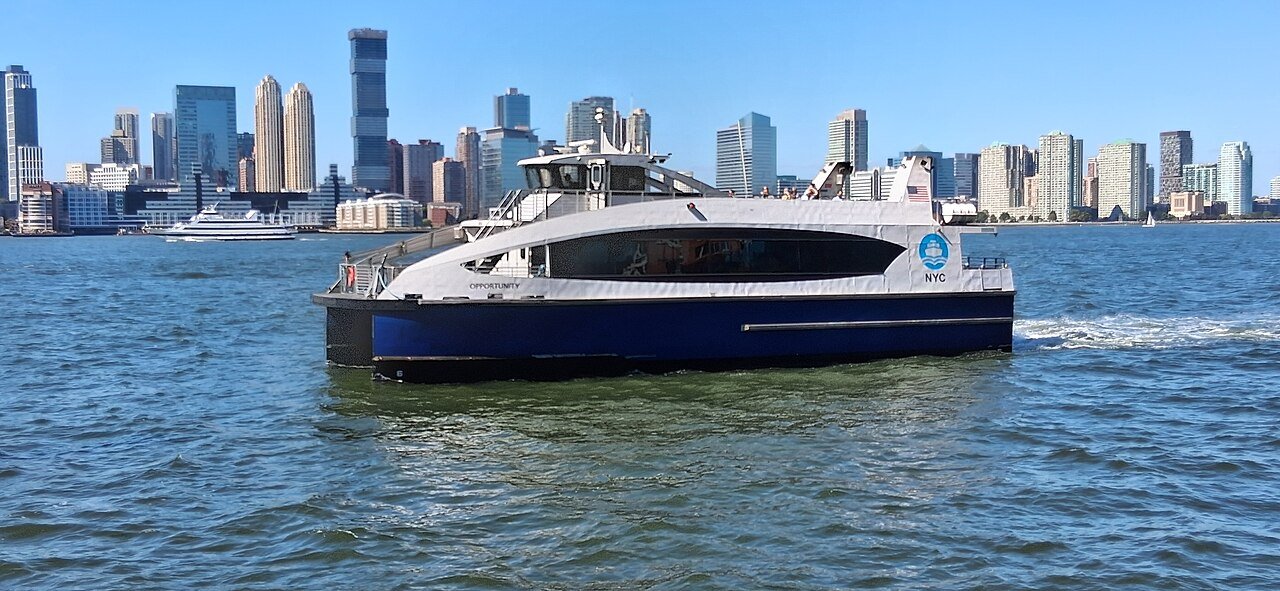

BROOKLYN — New York Harbor is set to become a science classroom for thousands of city students through a partnership between NYC Ferry and the Billion Oyster Project, offering a waterfront learning opportunity for Brooklyn schools and their counterparts across the five boroughs.
WABC reported November 9 that students would take 90-minute voyages covering oyster restoration, marine ecology, water-quality testing and the working waterfront. Organizers described using off-peak weekday capacity for the trips.
The aim is to connect classroom lessons to the water surrounding the city, while introducing young people to maritime careers. The proposed reach is a goal, rather than a count of students who have already completed the program.
The official page separates interest from booking
The Billion Oyster Project’s Floating Classroom page, reviewed November 10, describes a launch for the 2026–27 school year and a goal of getting more than 10,000 students on the water in 2027.
It currently invites teachers and other interested New Yorkers to join a passenger list for launch news and first access when class booking opens. Joining that list should not be confused with securing a confirmed departure.
The curriculum preview includes oyster restoration near Governors Island, marine life in the Upper Bay, shoreline resilience and jobs connected to the harbor. The illustrated course is a preview, not a guaranteed itinerary for every voyage.
Access to the harbor is part of the lesson
CBS New York’s November 9 report described the partnership as a way to use available off-peak ferry capacity. Educators interested in participation were directed to the Billion Oyster Project.
The nonprofit’s broader mission combines restoring oyster reefs with student education. It explains that reefs provide habitat and support shoreline ecosystems. The floating classroom places those ideas in the setting where restoration work occurs.
For a Brooklyn school, the immediate next step is to consult the organizer’s official page and follow its booking updates. Schools will still need to establish the arrangements for their own classes rather than assuming an ordinary ferry ticket includes the educational program.
The announcement creates a new path toward hands-on learning. Its eventual value will be measured in who gets aboard, what students investigate and how that experience connects back to their studies.