
Morning edition · October 26, 2026
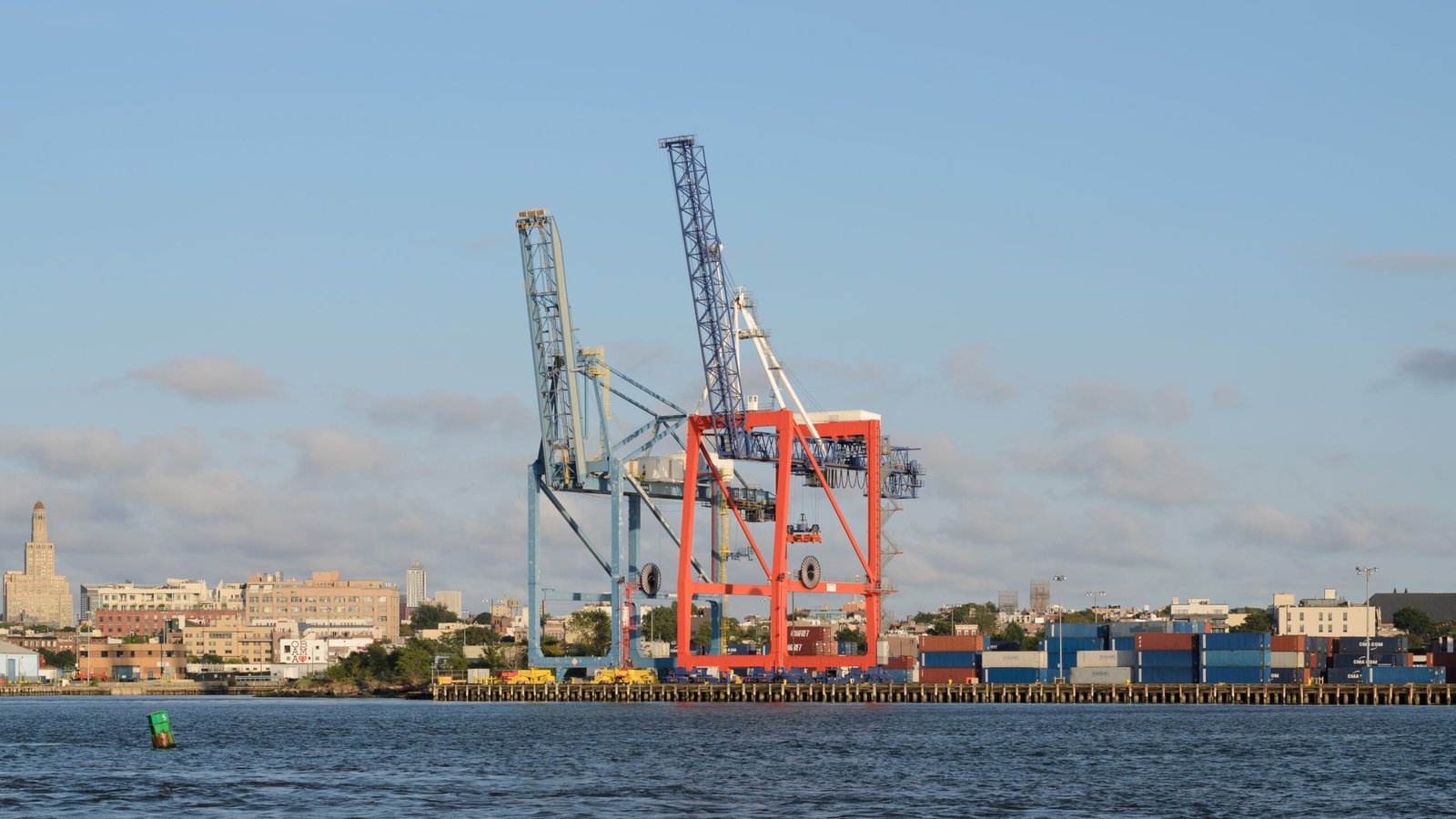

Brooklyn’s waterfront redevelopment debate is returning to a fundamental question: how much of a working marine terminal should also become a place to live?
The Real Deal reported October 24 on the City Club of New York’s no-housing alternative to the Brooklyn Marine Terminal redevelopment, whose vision includes 6,000 homes. The alternative is an advocacy position, not an announcement that the housing plan has been canceled.
The City Club’s published waterfront analysis argues for upgrading the terminal as a maritime hub without adding housing. Its proposal predates this weekend’s reporting: the webpage was published in October 2025 and subsequently updated.
Flood protection is part of the disagreement
The organization argues that resilience planning for the terminal must connect with Red Hook and Gowanus. Its analysis discusses storm surge, heavy rainfall and rising groundwater, and proposes a joint task group involving neighboring communities, agencies and engineering specialists.
Those recommendations describe the group’s preferred approach. They should not be presented as an independent determination that a particular design is safe or unsafe, or as a completed engineering plan.
What the city’s process actually establishes
According to NYCEDC’s public-engagement page, the original task force approved a vision plan in September 2025. The agency says that vision informs a state General Project Plan requiring approval by the Empire State Development Board and the Public Authorities Control Board.
NYCEDC also says environmental review is underway and describes an advisory task force intended to help refine the site plan. Approval of a vision is therefore different from completion of the subsequent project-review process.
For surrounding neighborhoods, the questions extend beyond a single housing total: what maritime activity remains, how residents can participate and how flood protection fits into the final design.
The useful next documents are the project plan and environmental-review materials as they emerge. Neither a supporter’s promise nor an opponent’s alternative should be mistaken for a final construction outcome.