
Onyx Bugett | TalkLife News
November 1, 2026 · News update
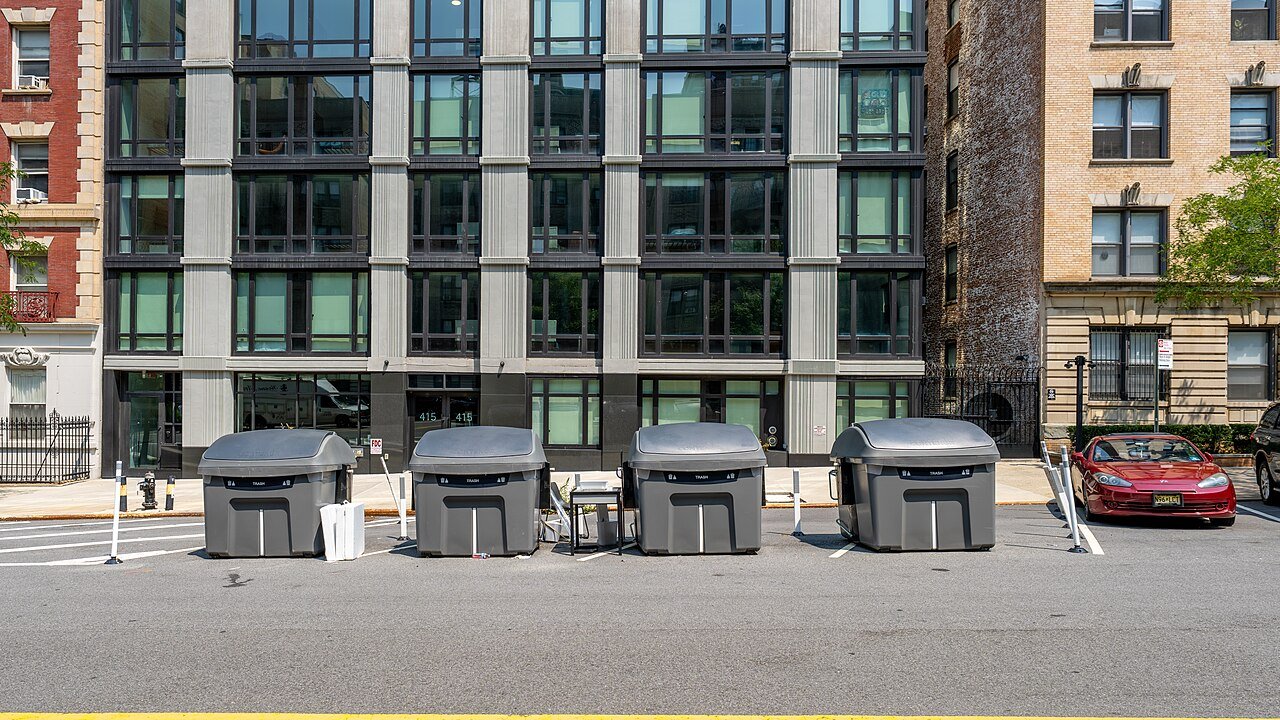

BROOKLYN, N.Y. — A change now taking shape along neighborhood curbs will affect a familiar apartment-building routine: where the garbage goes before collection. New York City has begun installing more than 700 stationary residential waste containers across Brooklyn Community District 2, according to an October 29 announcement from the mayor’s office.
The district includes Downtown Brooklyn, Boerum Hill, Brooklyn Heights, Fulton Ferry, DUMBO, Vinegar Hill, Fort Greene, Clinton Hill and the Brooklyn Navy Yard. Mayor Zohran Mamdani and Sanitation Commissioner Gregory Anderson marked the installation of the first residential Empire Bins on Thursday.
City officials expect the district’s transition to containerized trash to be completed by the end of fall. That is a projected completion window; the announcement does not establish that every eligible building already has its container.
The building’s size determines the system
The Department of Sanitation’s district-specific instructions distinguish between large, medium and small residential properties. Buildings with 31 or more apartments must use Empire Bins. Buildings with 10 to 30 units were offered a choice between those stationary containers and the smaller official NYC Bins.
The registration and opt-in period is closed. DSNY says medium-sized properties that did not submit the required form by July 31 must use official NYC Bins instead. Properties with one to nine units are already required to use the smaller bins.
Empire Bins are assigned to particular properties and locked. DSNY says access is restricted to the relevant building staff and waste managers using assigned cards. They are not general-purpose public litter baskets for anyone passing by.
For a tenant unsure where to leave household trash during the transition, the practical first step is to ask the building’s manager or superintendent which system has been assigned and how the building is organizing collection.
A change in collection, with results still to be measured
DSNY’s Empire Bin guidance places responsibility on property managers to put building trash into the containers and keep the surrounding area clear. The bins are emptied by side-loading sanitation trucks.
Officials describe sealed containers as a way to reduce exposed trash and access for rodents. Those are the policy’s intended benefits. The launch announcement is not an independent measurement of rat activity, sidewalk access or collection performance in Brooklyn after installation.
For residents, the immediate development is concrete: a new place for building waste and a different collection process. Whether that produces cleaner, easier-to-navigate blocks will depend on how the system works in everyday use.