
By Onyx Bugett | TalkLife News
October 4, 2026 | Developing
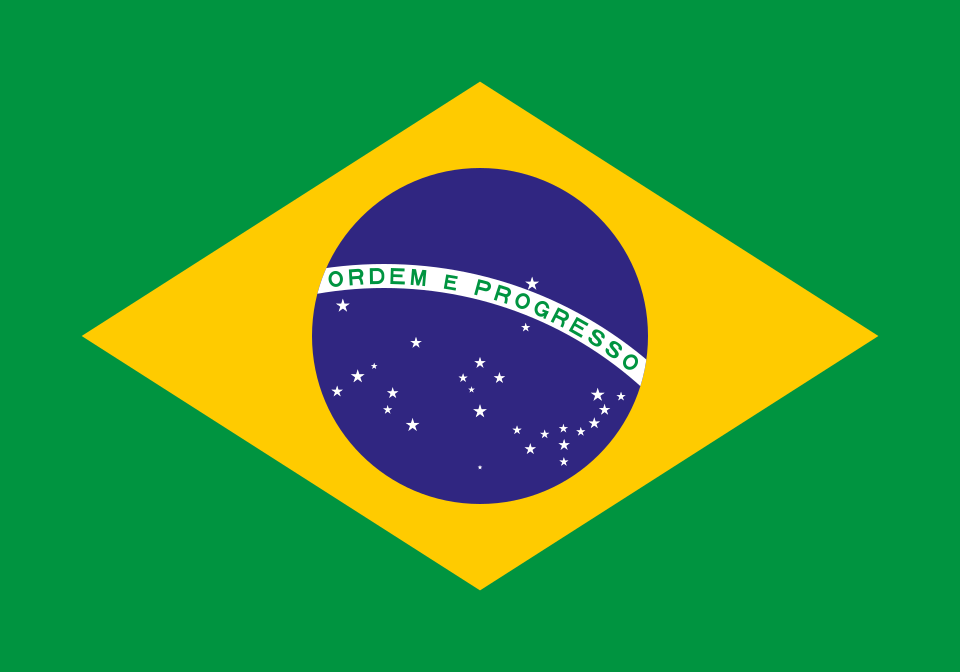

Brazilians began voting Sunday in a presidential election that places economic anxiety and the country’s political direction at the center of a closely contested race.
President Luiz Inácio Lula da Silva faces Senator Flávio Bolsonaro in the October 4 vote. Lula is seeking a fourth presidential term, while Bolsonaro is competing to return his family’s political movement to the presidency.
The contest does not necessarily end today. If no candidate receives more than half of valid votes, the leading two advance to a runoff on October 25, according to Reuters and the Associated Press.
That rule matters when reading early coverage: a poll suggesting a runoff is a projection, and preliminary returns are not a final result. The official count determines whether another round is required.
The campaign has featured disagreement over government spending, welfare and privatization. Reuters also described economic concerns and accusations of foreign interference. Those accusations need attribution and should not be treated as established findings merely because a campaign repeats them.
Voters are also choosing congressional representatives. Presidential promises therefore sit alongside the question of which measures a new legislature would support.
For audiences following the election from the United States, the useful focus is on confirmed results and the policies candidates propose. Describing a candidate’s international alliances is relevant context; it cannot substitute for explaining what Brazilian voters are deciding.
This is a developing election story. No winner is declared in this morning report.