
By Alex Bouget | TalkLife News
October 3, 2026
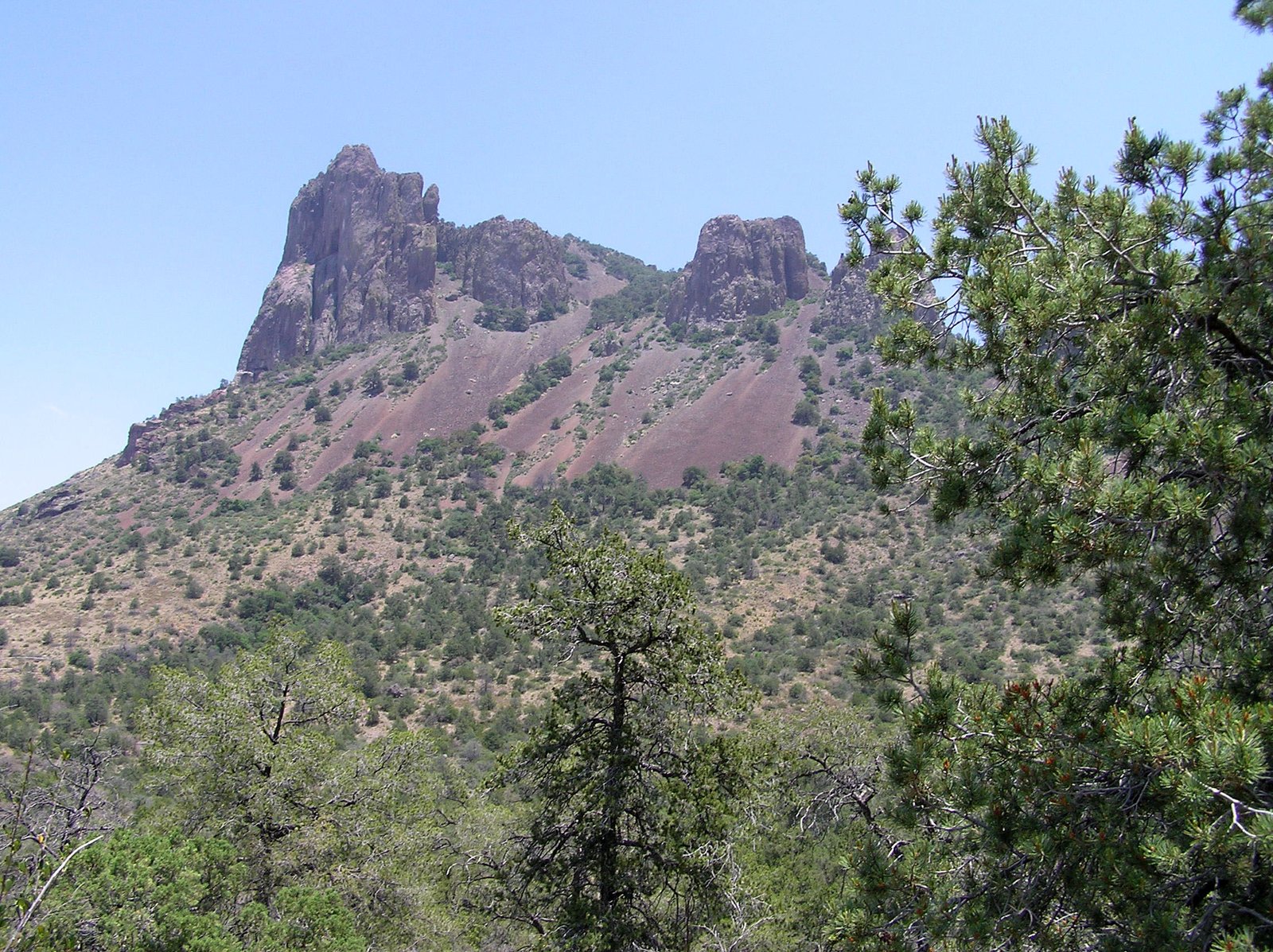

A federal judge has halted border-barrier construction in Texas’ Big Bend region, placing a court-ordered pause on a project that has drawn objections from conservation advocates, landowners and people whose livelihoods depend on the Rio Grande.
U.S. District Judge Kathleen Cardone issued the preliminary injunction on Friday, October 2. The order bars border-barrier construction, related infrastructure work and ground-disturbing activity in the Big Bend sector unless the federal government complies with applicable laws.
The decision preserves the landscape while a legal challenge proceeds. It does not settle the lawsuit or permanently prohibit every future border project.
The plaintiffs include the Center for Biological Diversity, Friends of the Ruidosa Church and river guide and landowner Danny William Miller. Their challenge concerns the government’s use of legal waivers to accelerate construction, along with constitutional and property-rights questions.
For residents, the dispute extends beyond what a barrier looks like. Court testimony described concerns about river access, ranching and the possibility that construction could permanently change places used for work and recreation. Those accounts explain the stakes for the plaintiffs; they are not final judicial findings about every projected impact.
The administration has defended expanding border infrastructure as part of its security agenda. Within Big Bend National Park, the proposed work has included roads, surveillance technology and vehicle barriers, making the controversy broader than a single conventional wall.
Cardone found grounds for interim protection while the claims are considered. The next legal question is whether the government’s methods satisfy the law. For now, a landscape that cannot easily be restored once disturbed has received a reprieve.