
October 15 developments, reviewed and published October 16, 2026.
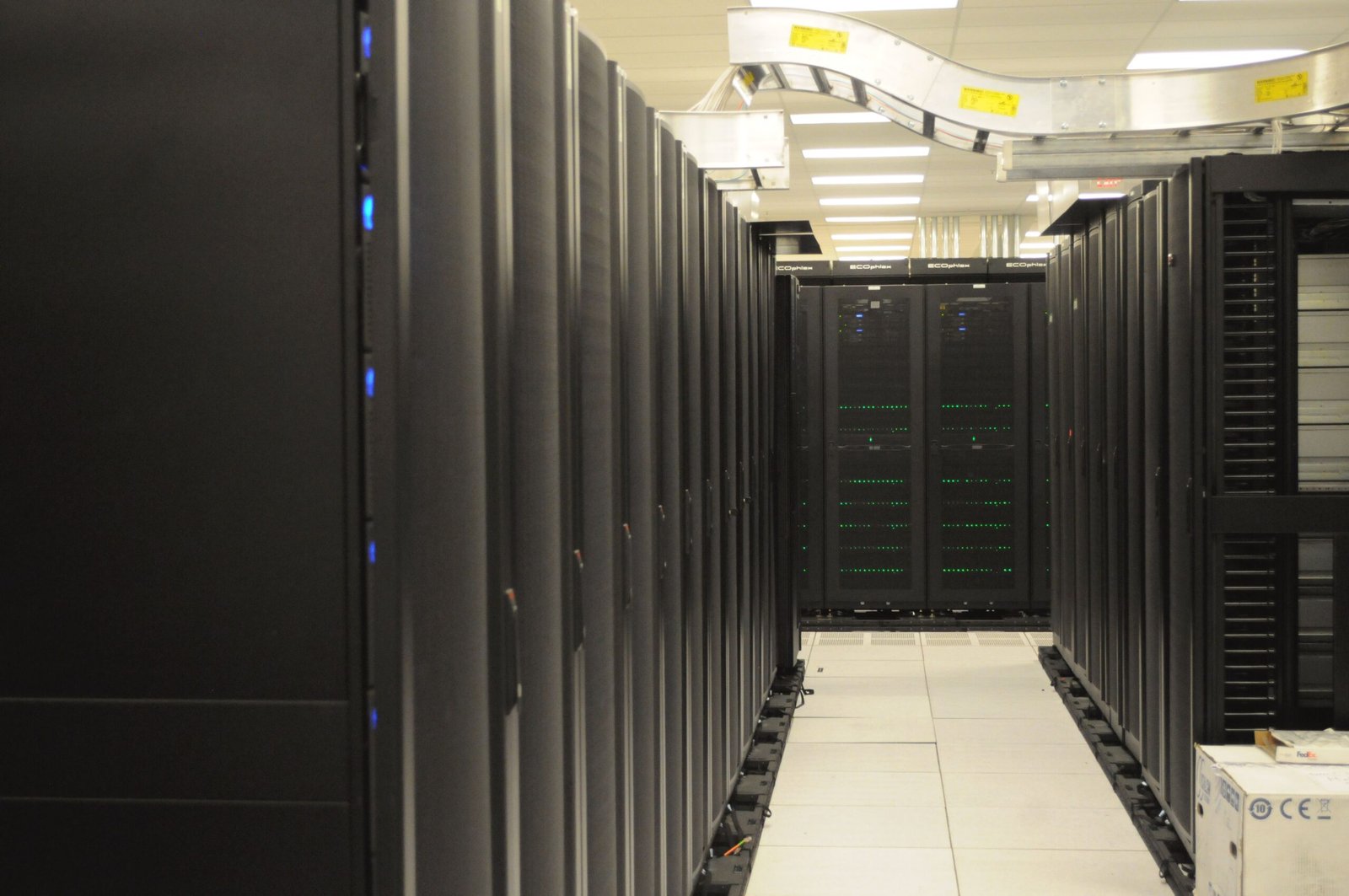

A sharp retreat in semiconductor shares on October 15 brought a basic question about the artificial-intelligence boom into focus: how much will the infrastructure cost, and when will the businesses paying for it earn that money back?
In an early-trading snapshot Thursday, Reuters reported that U.S. chip companies were on course to lose about $2 trillion in market value across a selloff that began the previous week. The semiconductor index was down 3.3% at that point. The estimate was cumulative, not a $2 trillion loss in a single session, and it was not a final closing figure.
Separate Reuters reporting on infrastructure financing described delayed or withdrawn listings involving an AirTrunk real-estate investment trust, Firmus and SB Energy. Investors were reassessing the relationship between borrowing costs, spending on computing capacity and future returns. Analysts quoted in that report did not describe investment across the entire sector as having stopped.
The distinction between a company’s market value and its available cash matters here. As the Securities and Exchange Commission’s investor-education website explains, market capitalization is the share price multiplied by outstanding shares. A falling share price changes that valuation; it does not mean an equivalent pile of cash has disappeared from the company’s bank account.
For example, a hypothetical business with one billion shares would lose $10 billion in market capitalization if its share price fell by $10. That calculation alone would reveal nothing about the cash collected from customers that day. It would also say nothing conclusive about whether its next product will succeed.
That is why the stock-market story and the construction-financing story should be read together, while remaining distinct. One concerns what investors will pay for shares. The other concerns how businesses fund expensive projects. Neither establishes that AI has ceased to be useful, nor guarantees that every proposed data center will prove profitable.
For workers, communities and customers, the questions ahead are concrete: which projects obtain funding, which plans change, and which companies turn spending into durable revenue? Thursday’s trading snapshot offers evidence of investor concern, not a settled answer.